
How skin changes after 40 and 50
Hydration, comfort and appearance: what changes in your skin in your 40s and 50s, and how to adapt your routine to each stage.
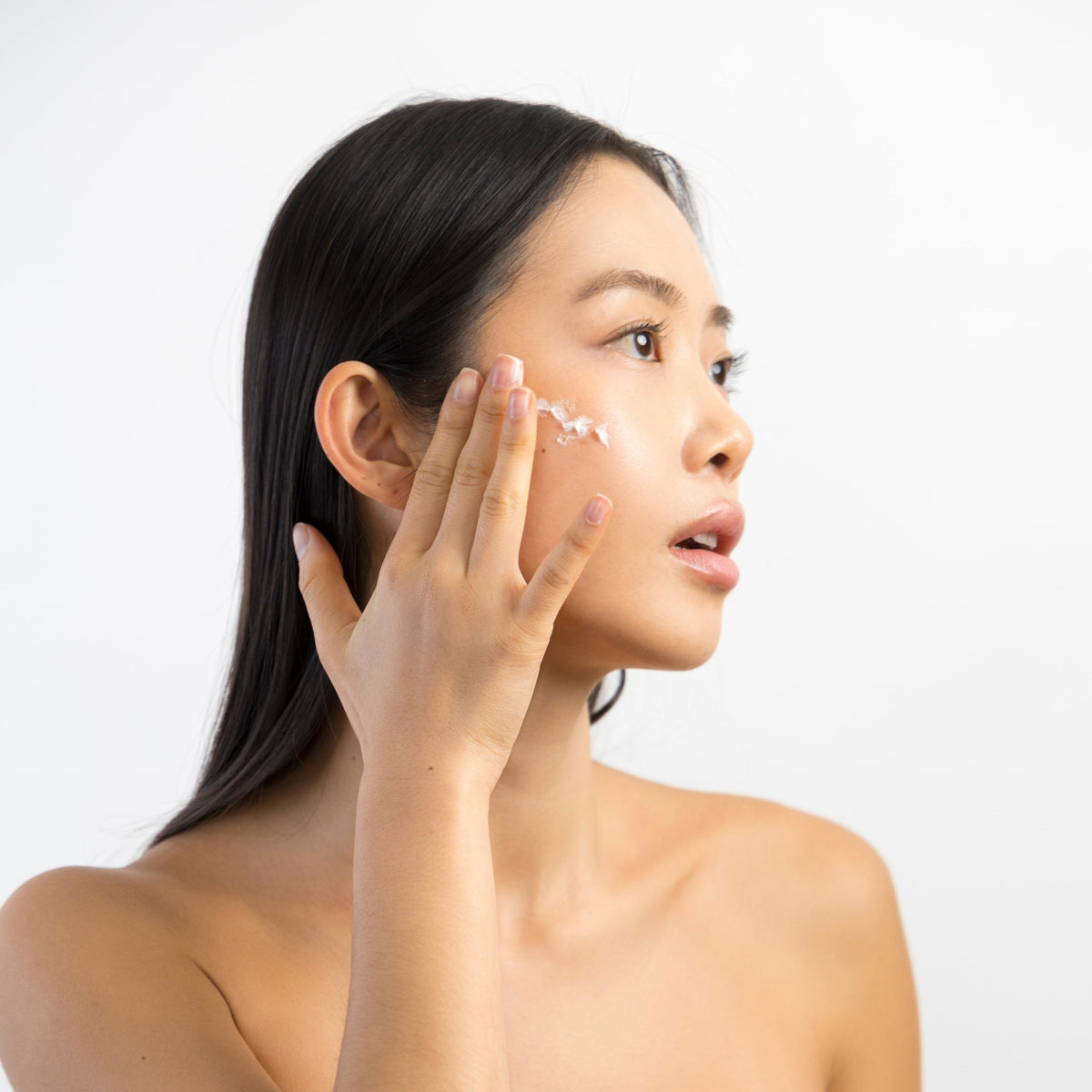
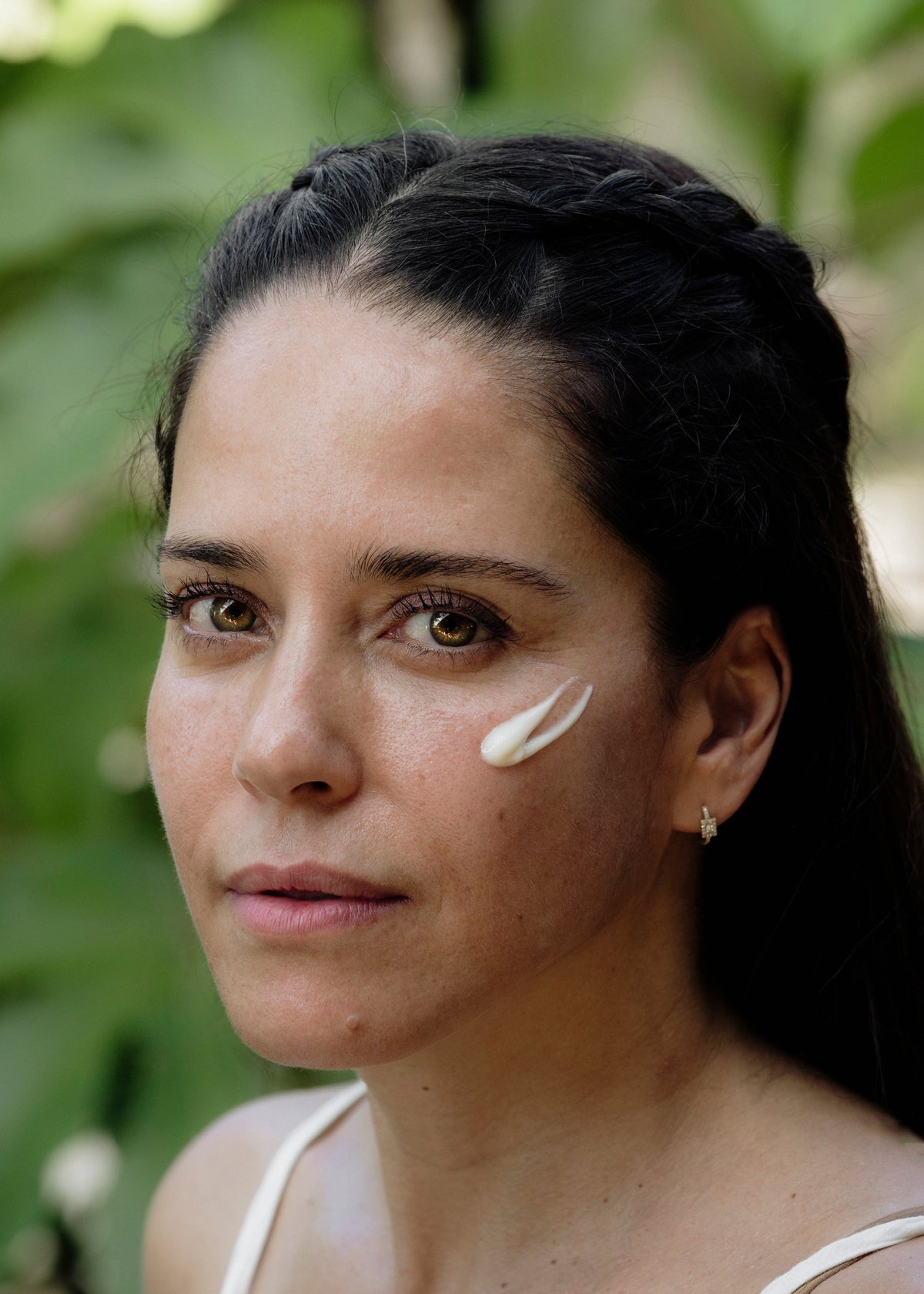
Between 40 and 50, many women feel their skin “doesn't respond the same way anymore.” It isn't your imagination: skin really does change, and your routine can change with it.
In your 40s
- Less hydration. Skin holds less water and tightness appears more often.
- Texture and tone. Renewal is slower, and accumulated sun damage shows in spots and a less even tone.
- More visible lines. Expression lines stay even when the face is at rest.
In your 50s
- Hormonal changes. With perimenopause and menopause, falling estrogen is associated with drier, thinner skin with less collagen.
- Fewer lipids. Skin produces less of its own oil and the barrier becomes more sensitive.
- Firmness. Loss of firmness shows along the jawline and the neck.
How to adapt your routine
- Gentler cleansing. Avoid cleansers that leave skin tight.
- Layers of hydration. A serum with hyaluronic acid and a cream with lipids work better together than separately.
- Nourishing ingredients. Squalene, vitamin E and ceramides help the barrier and comfort.
- Antioxidants and niacinamide for radiance and tone.
- Don't forget your neck. Apply everything you put on your face there too.
- Daily sunscreen, always.
The Melipona Ritual at this stage
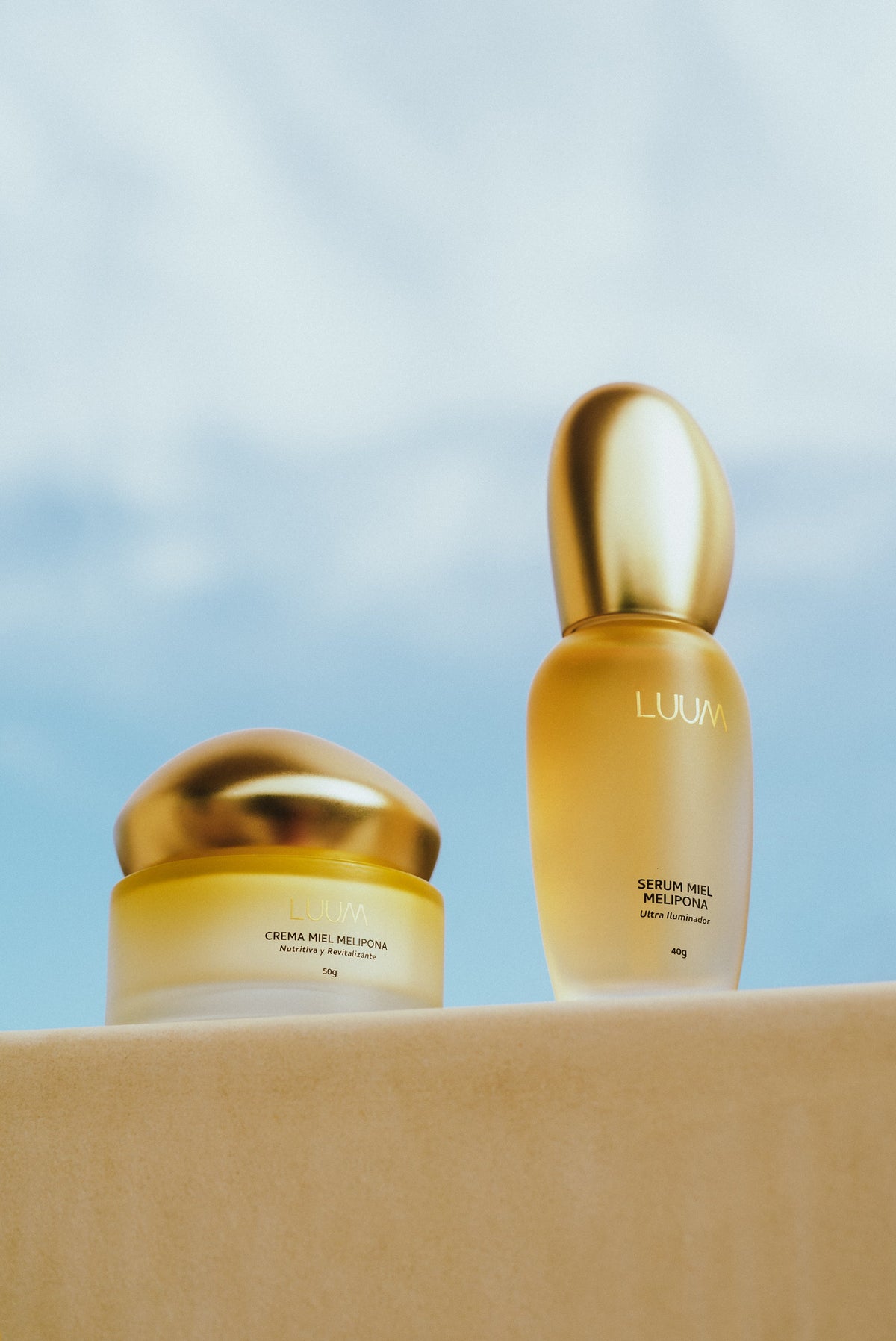
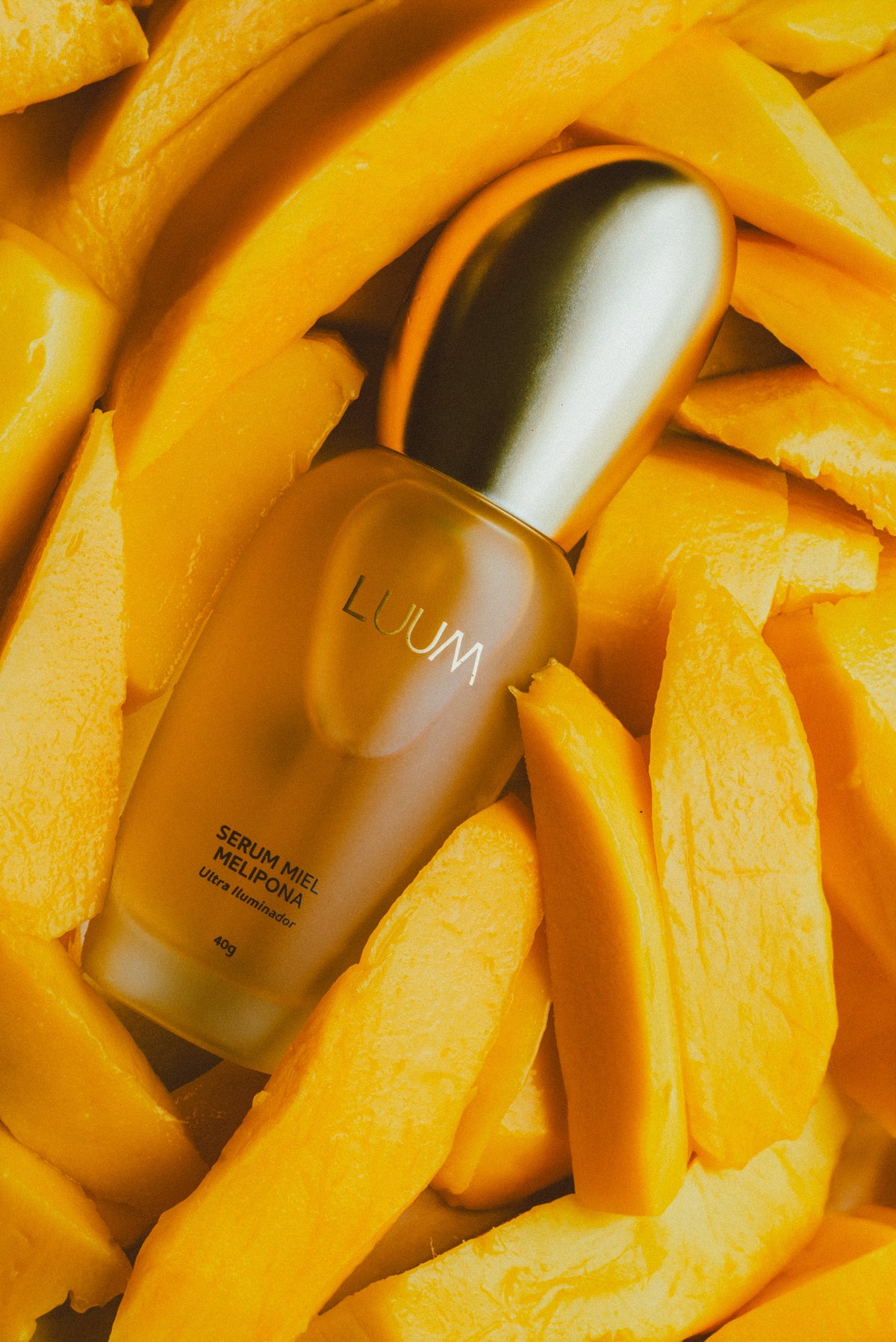
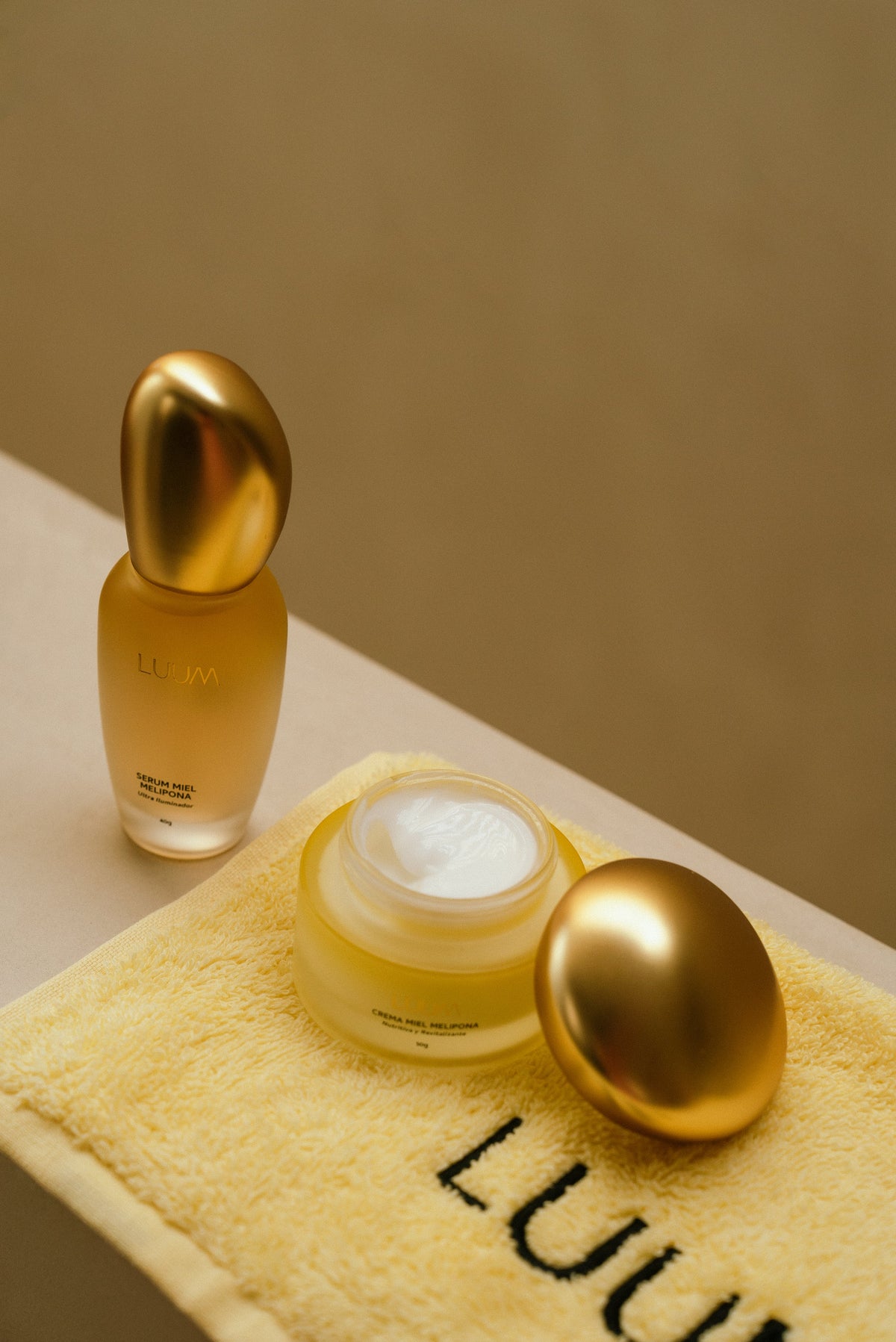
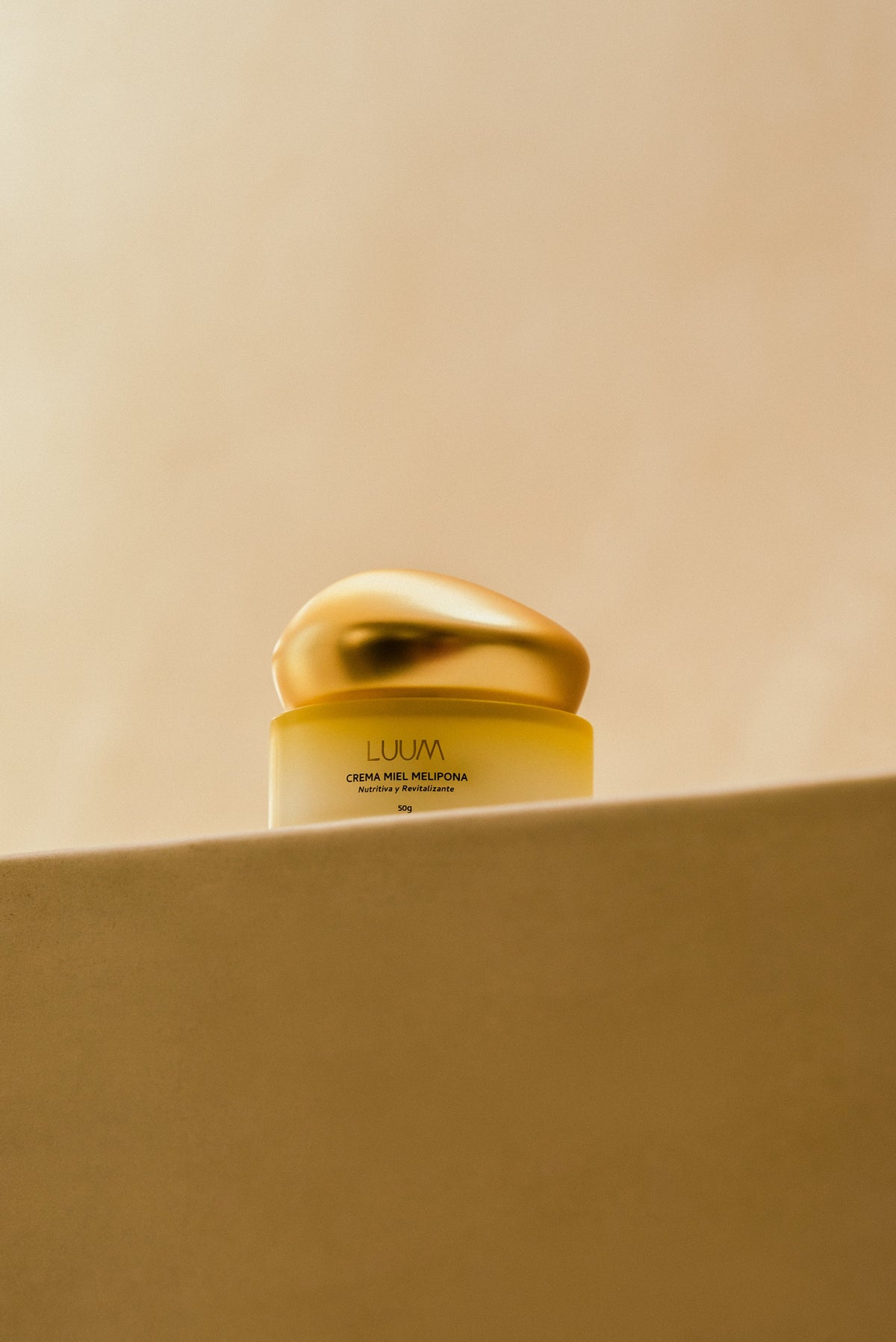
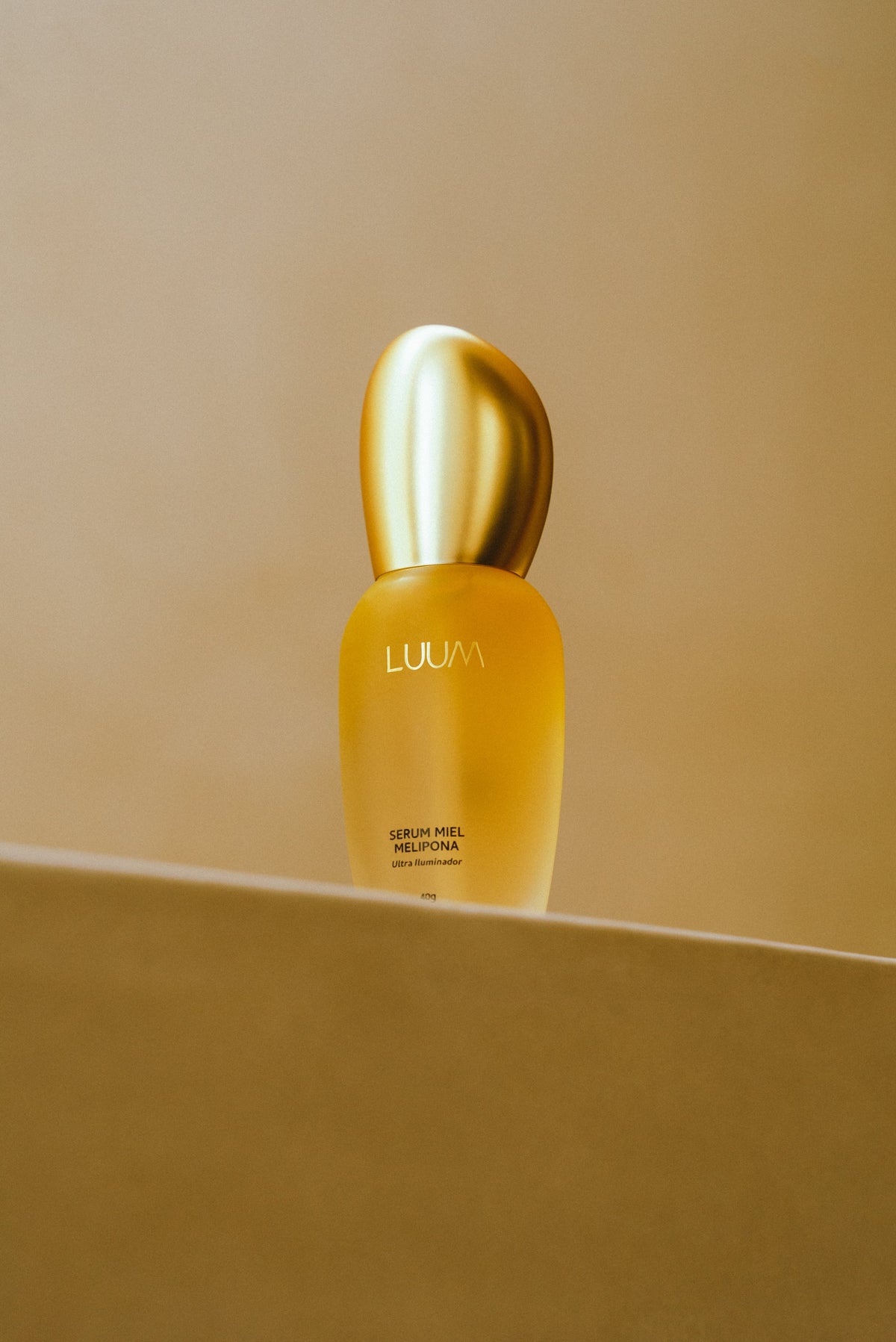
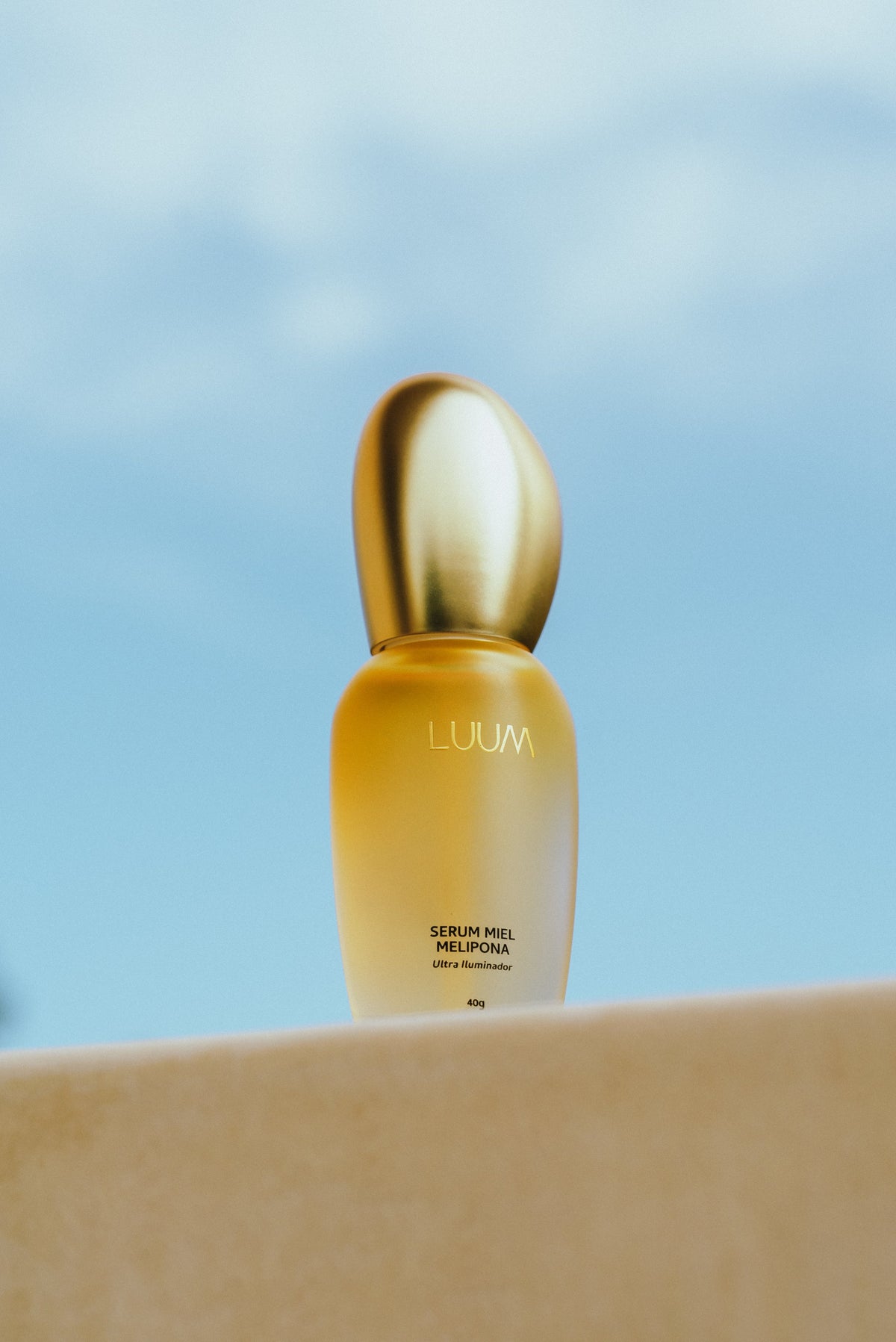
The Nourishing & Revitalizing Cream was designed for dry, mature or tight-feeling skin: its silky texture with squalene, vitamin E and bisabolol nourishes without a greasy feel. With the Illuminating & Anti-Aging Serum underneath, in the Melipona Ritual, skin looks more hydrated and radiant and fine lines softer with consistent use.
To go deeper, read dry skin during menopause: how to adapt your routine.
This article is editorial content from LUUM Skincare, for information only. LUUM is a cosmetic: it helps improve the appearance of the skin, and results vary from person to person. It does not replace a consultation with a health professional.