
LUUM Journal · Science & botany
Mexican skincare: botanical ingredients and contemporary science
Mexico is one of the most biodiverse countries in the world. How its botanical heritage meets cosmetic research today.
Mexico is one of the most biodiverse countries on the planet. For centuries, its peoples have known and used plants, fruits and honeys to care for the body. Today, that heritage is finding a new language in contemporary cosmetics.
A botanical heritage
Ingredients such as cacao, native to Mesoamerica, the honey of native bees and aloe are part of everyday life in many regions of the country. Traditional uses are not scientific evidence, but they are a valuable guide: they point to ingredients worth studying.
What science brings
Modern cosmetic science asks what each ingredient contains, how to extract it in a stable form, at what concentration it works and how to combine it with other actives. That is where a tradition becomes a reliable formula.
Ingredients we work with
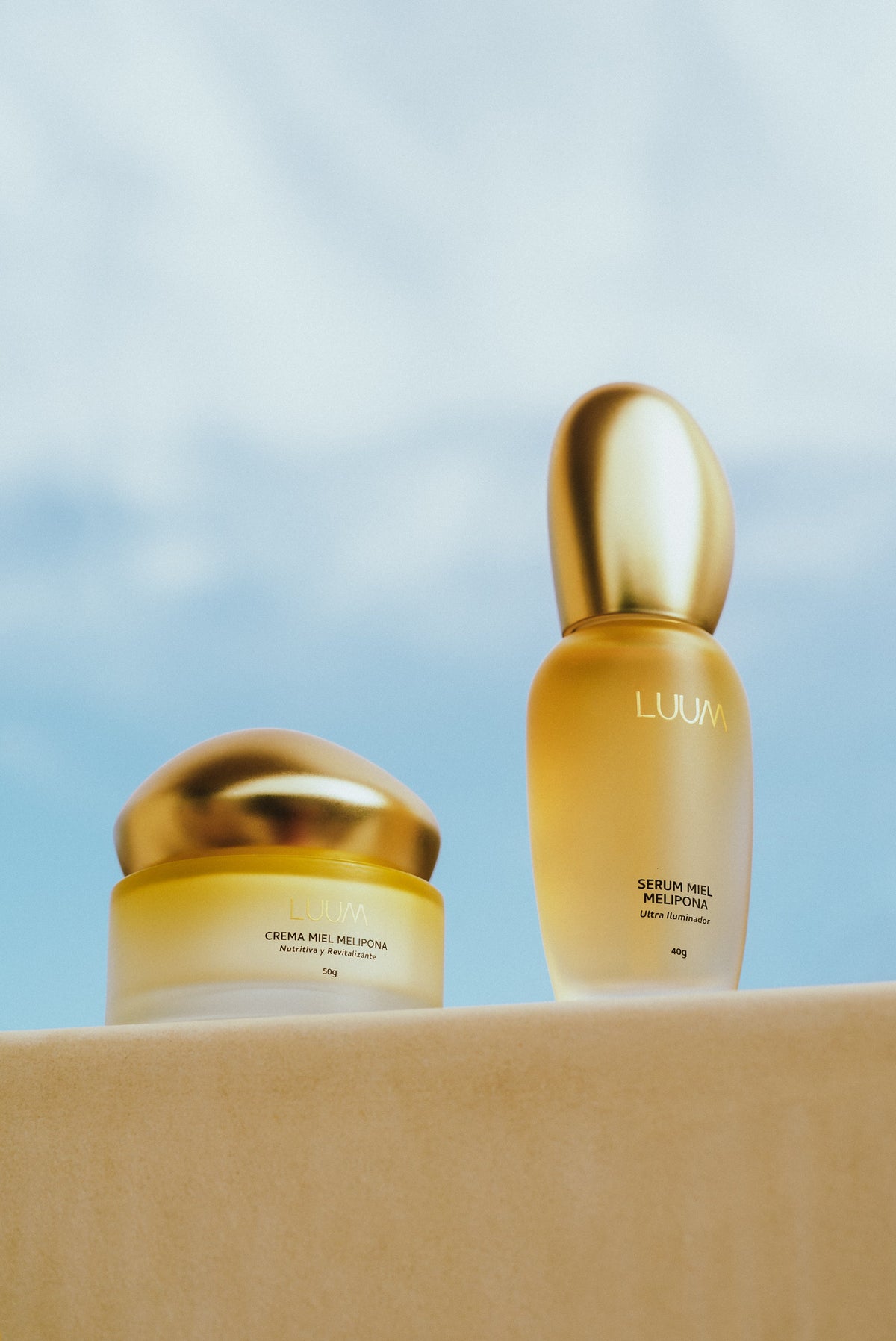
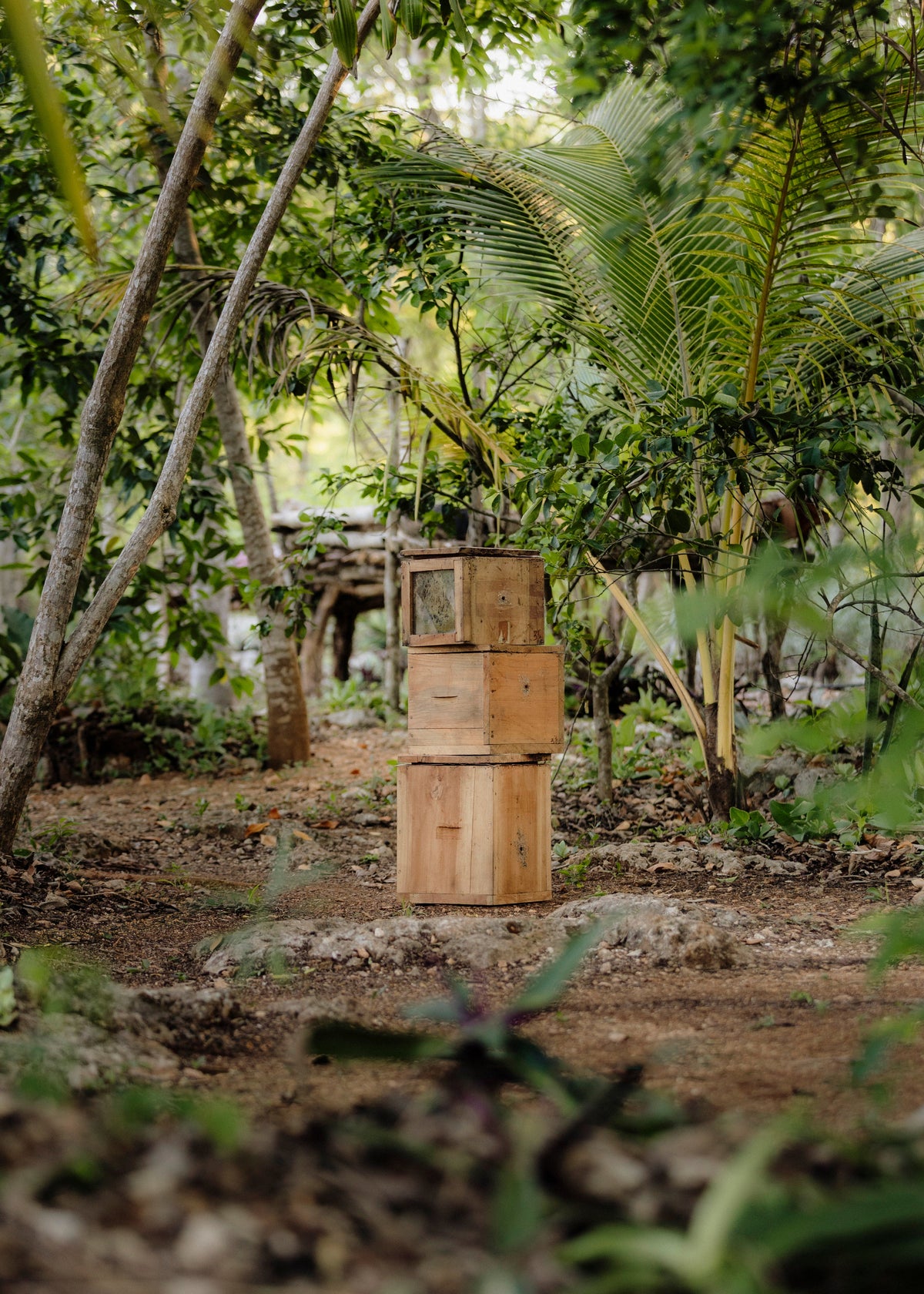
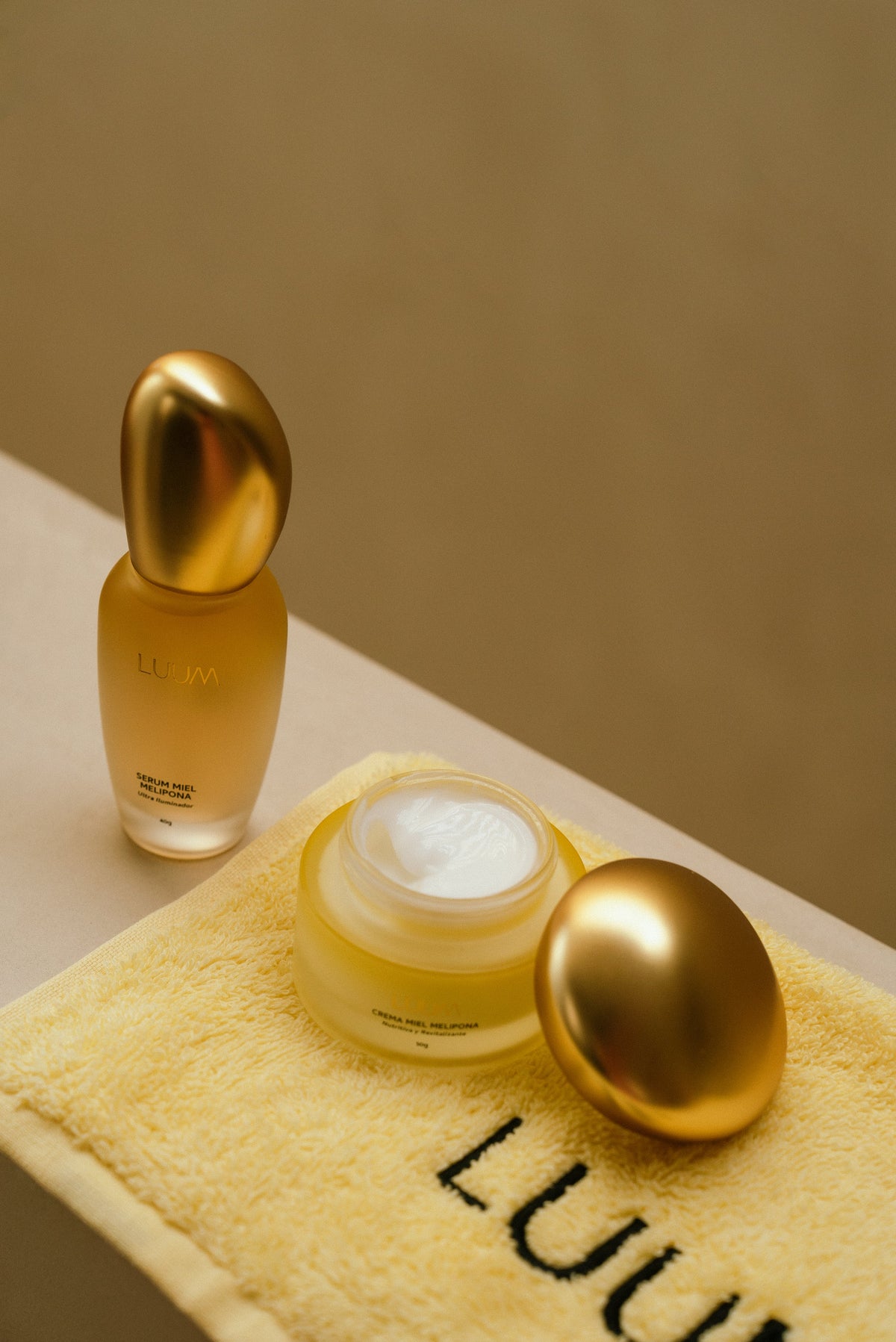
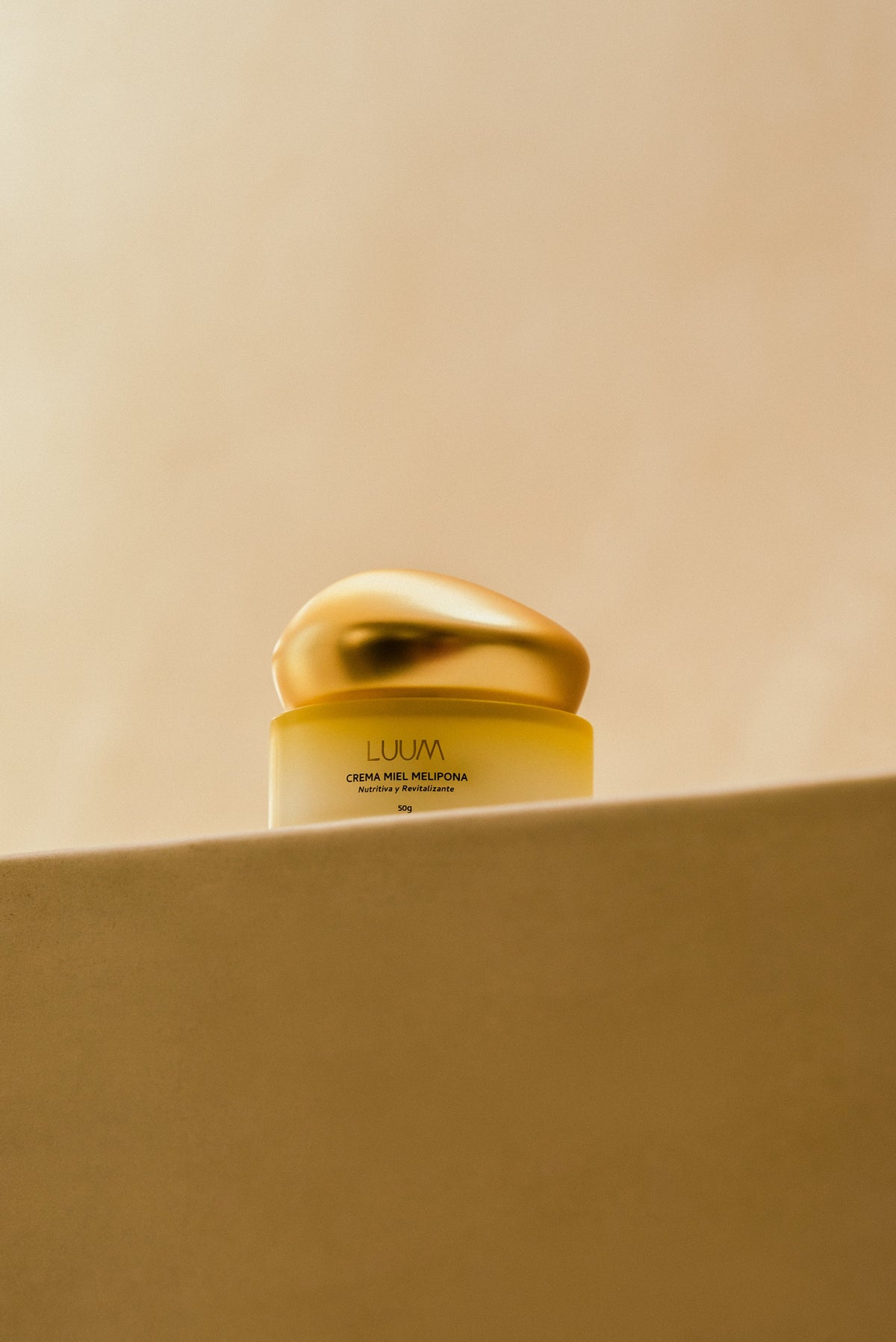
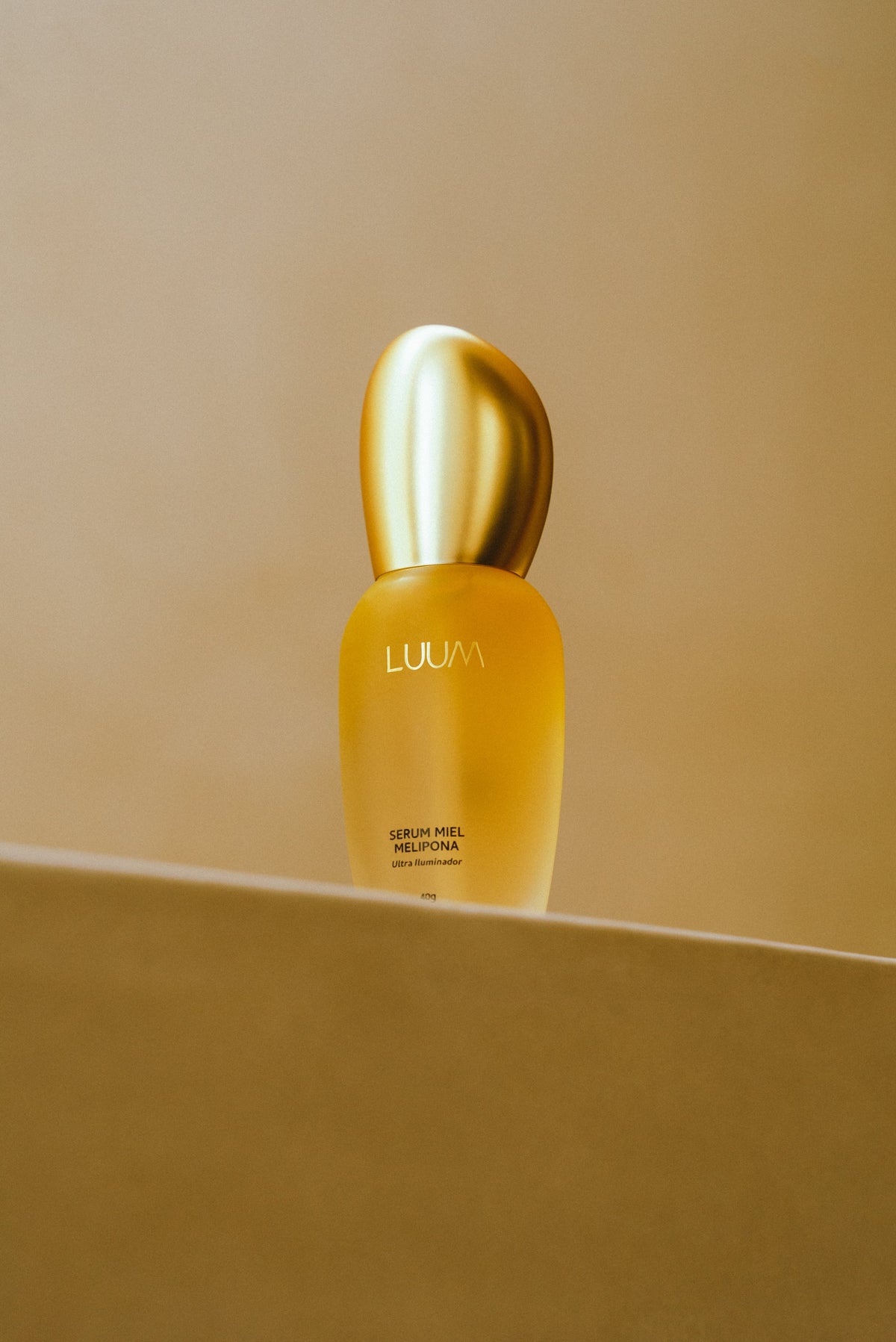
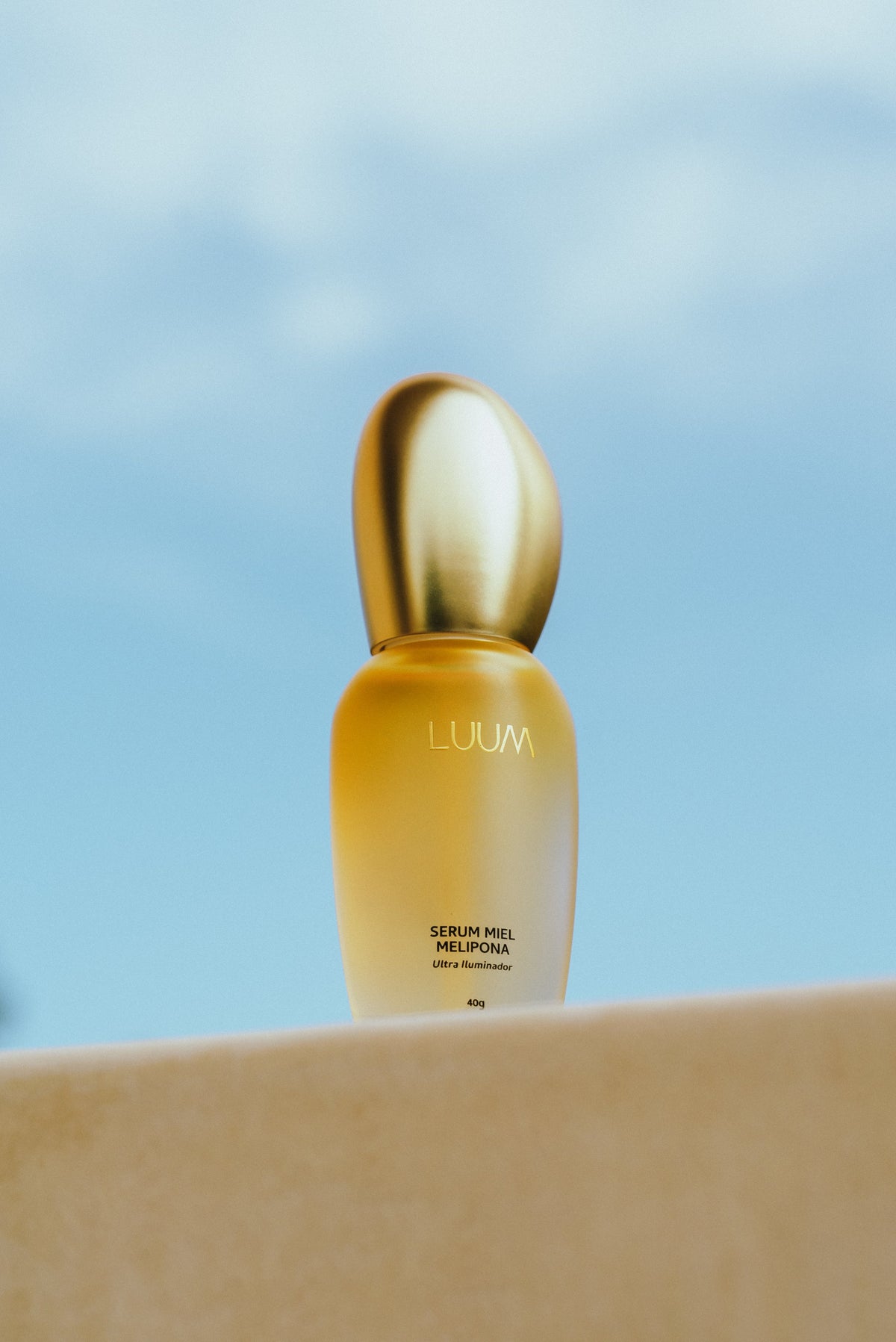
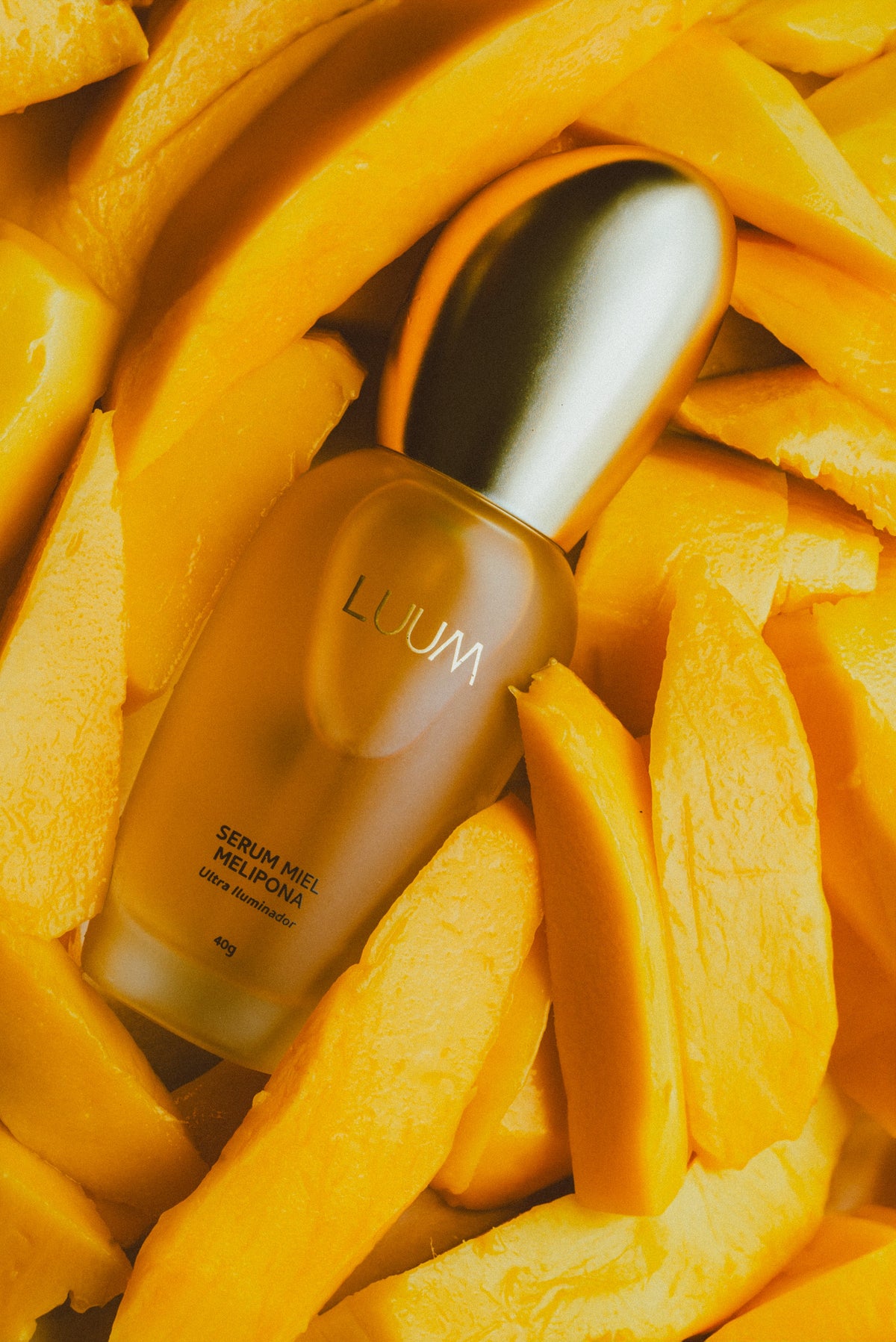
- Melipona honey from the Xunán Kab bee, with phenolic compounds, flavonoids, enzymes and proteins studied in the laboratory.
- Cacao extract, rich in antioxidant polyphenols.
- Mango extract, which brings nourishment and softness.
We combine them with well-known skincare actives —niacinamide, hyaluronic acid, squalene, vitamin E— because we believe the best of both worlds works better together.
Rigor, not folklore
Making Mexican cosmetics doesn't mean putting an exotic ingredient on the label. It means working with origin and traceability, explaining honestly what each ingredient does and not promising what a cosmetic can't deliver.
From Mexico, for the world
LUUM's ambition is to show that Mexico can create luxury skincare with its own identity. You can see it in the Melipona Ritual, in the Casa Polanco spa and at The Ritz-Carlton, Mexico City.
This article is editorial content from LUUM Skincare, for information only. LUUM is a cosmetic: it helps improve the appearance of the skin, and results vary from person to person. It does not replace a consultation with a health professional.