
How to care for your skin after 30
From your 30s, skin begins to change little by little. A practical guide to adjusting your routine without complicating it.
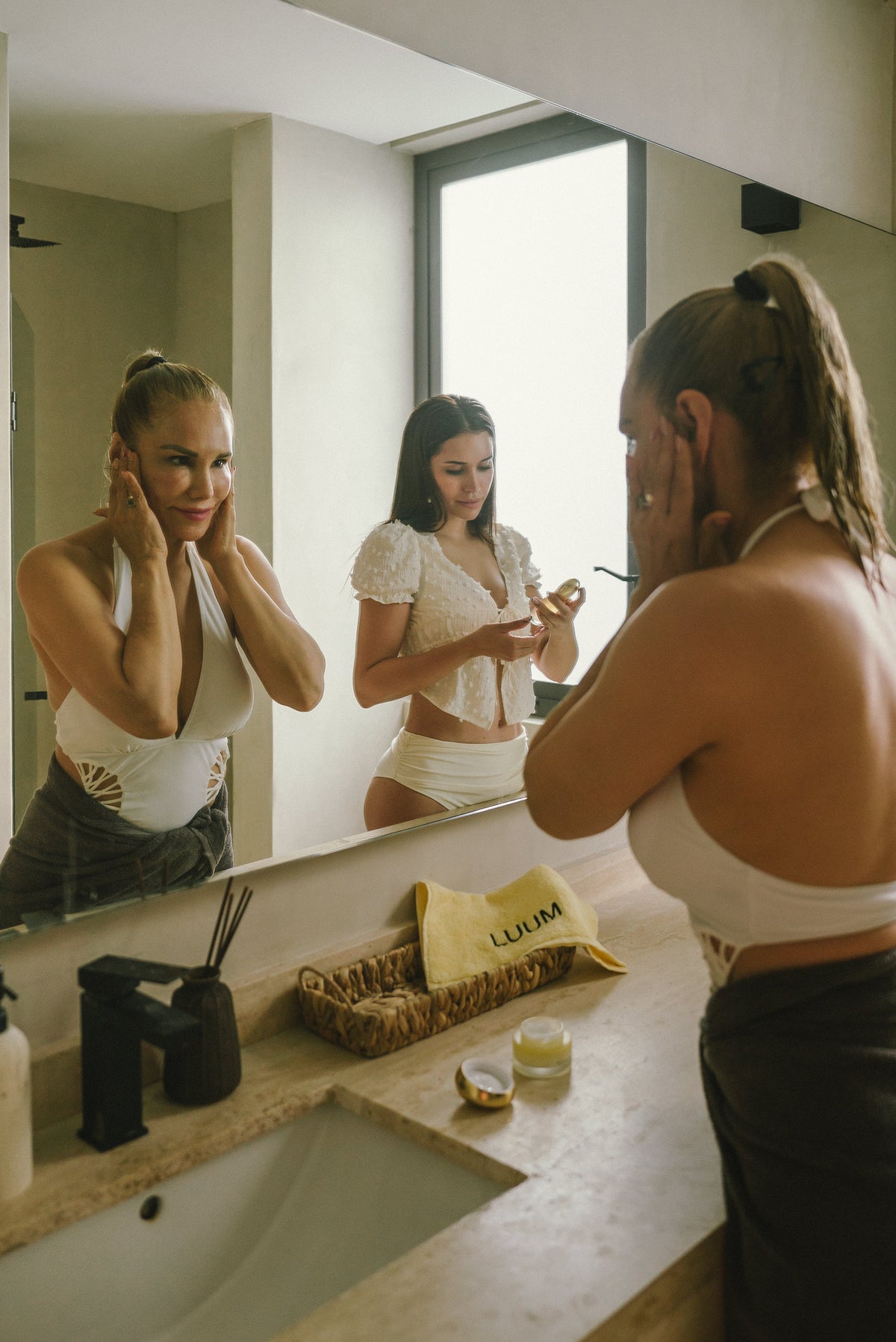
Your 30s don't bring a sudden change, but they do bring a trend: skin takes a little longer to recover, looks less radiant when you sleep badly and the first fine lines start to stay. It is the best time to build a routine you can keep up.
What changes
- Cell renewal slows down, and skin can look duller.
- Collagen production begins to decline gradually.
- Accumulated sun damage starts to show in your tone.
- Stress, sleep and daily life show more on the face.
The basic routine
In the morning
- A gentle cleanse or just water, depending on your skin.
- A serum with antioxidants and hydrators.
- A cream that seals in hydration.
- Broad-spectrum sunscreen, every day.
At night
- Cleanse to remove sunscreen and makeup.
- Serum.
- Cream.
If you want to add another active, such as a retinoid, introduce it gradually and at night.
Fewer steps, more consistency
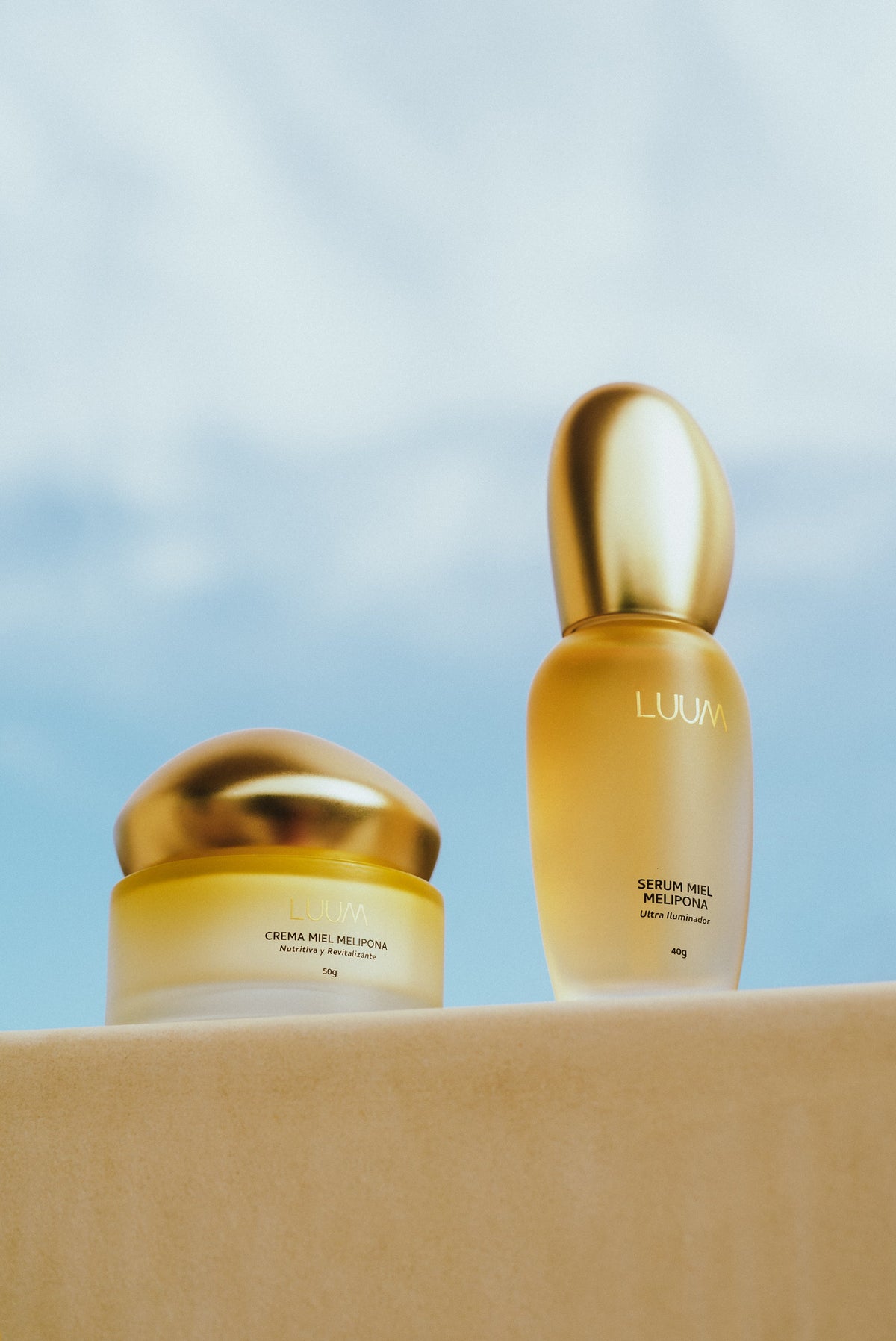
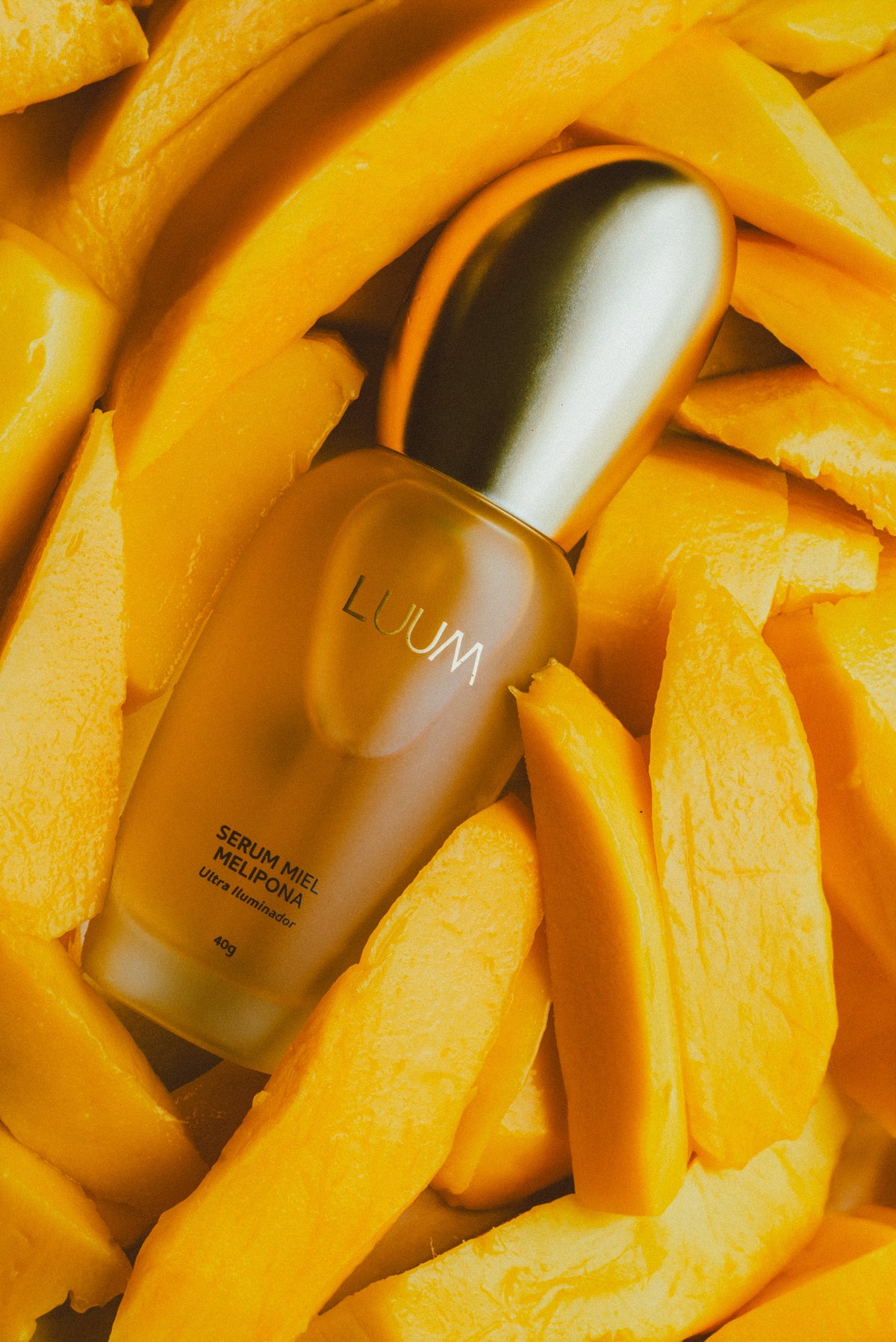
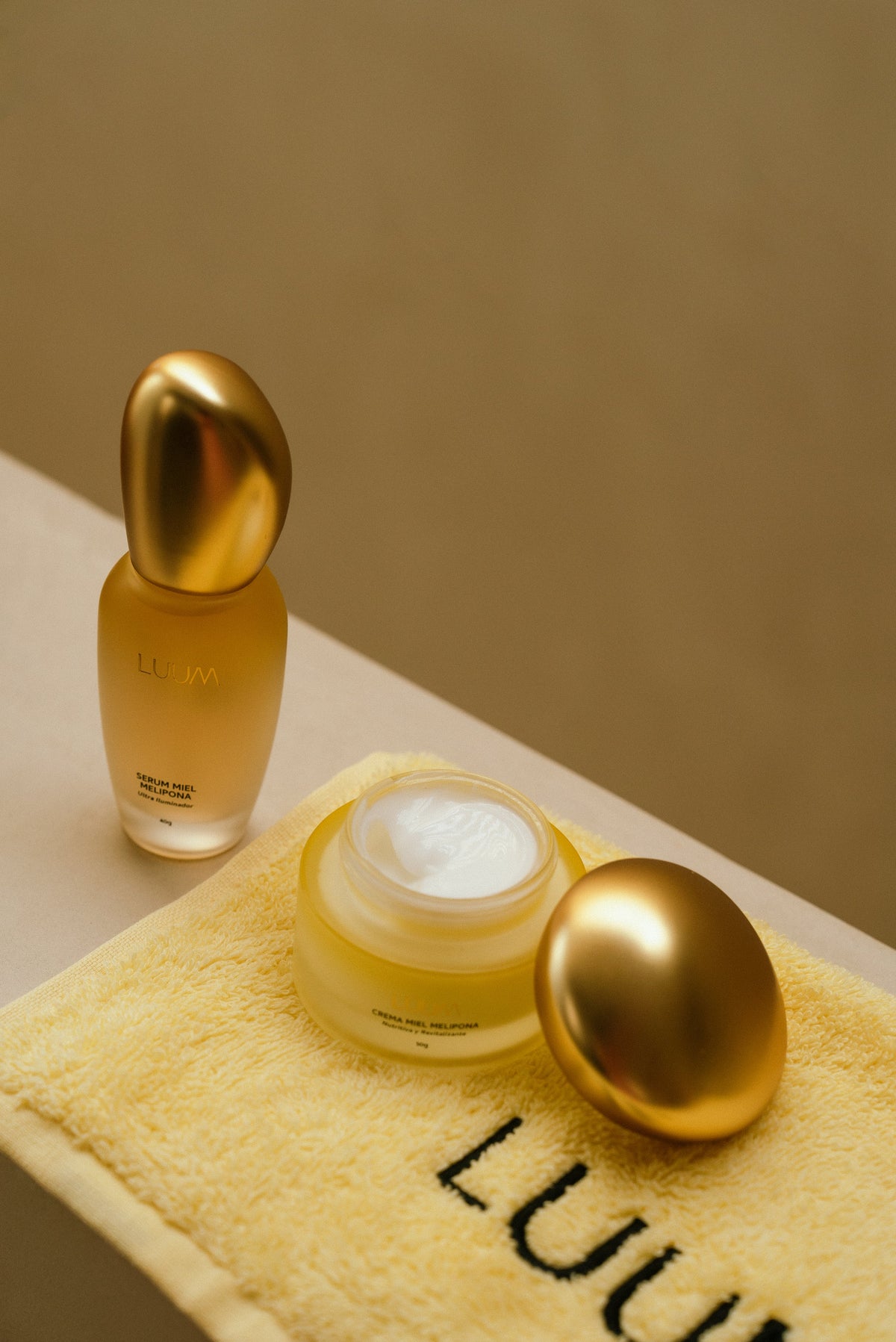
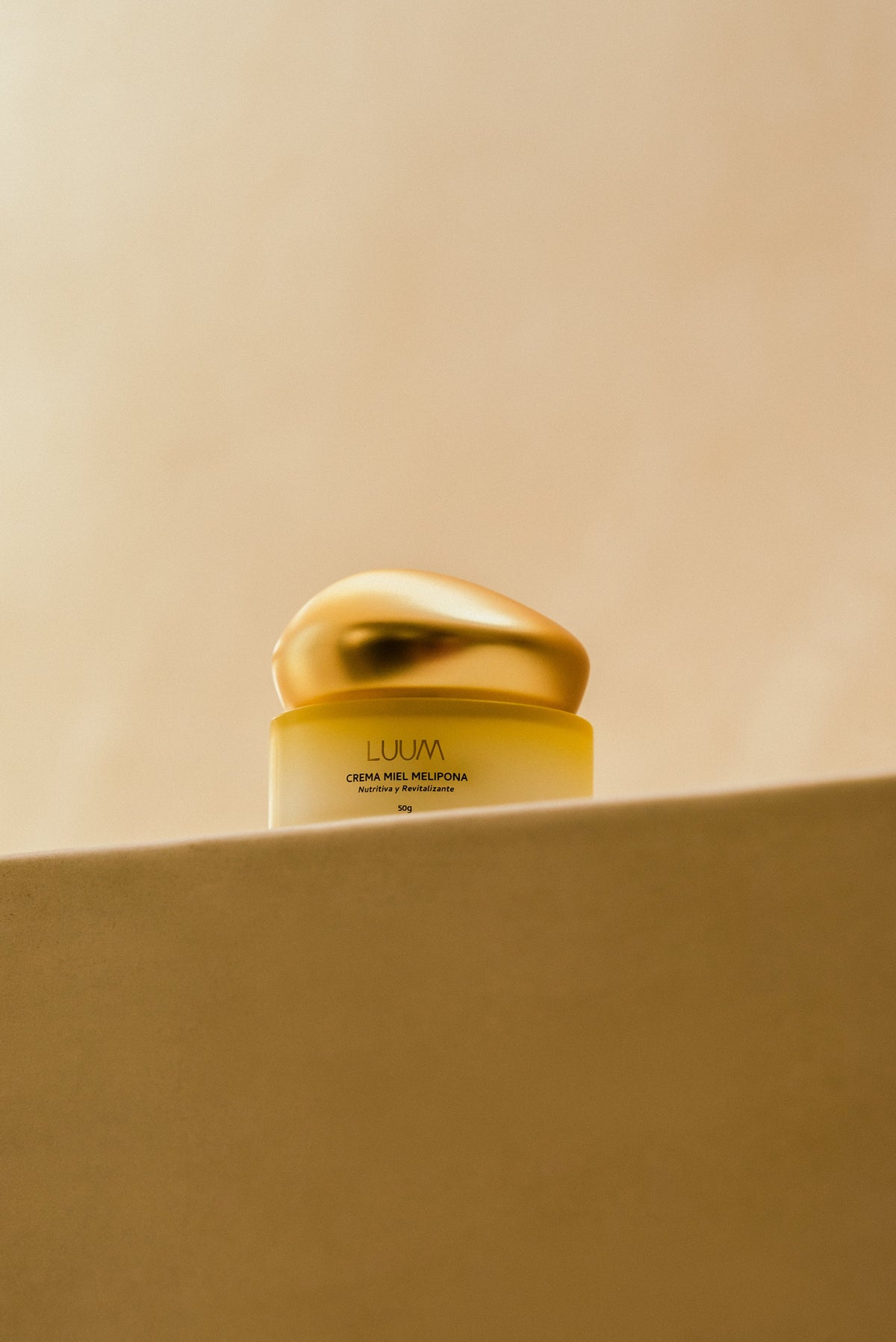
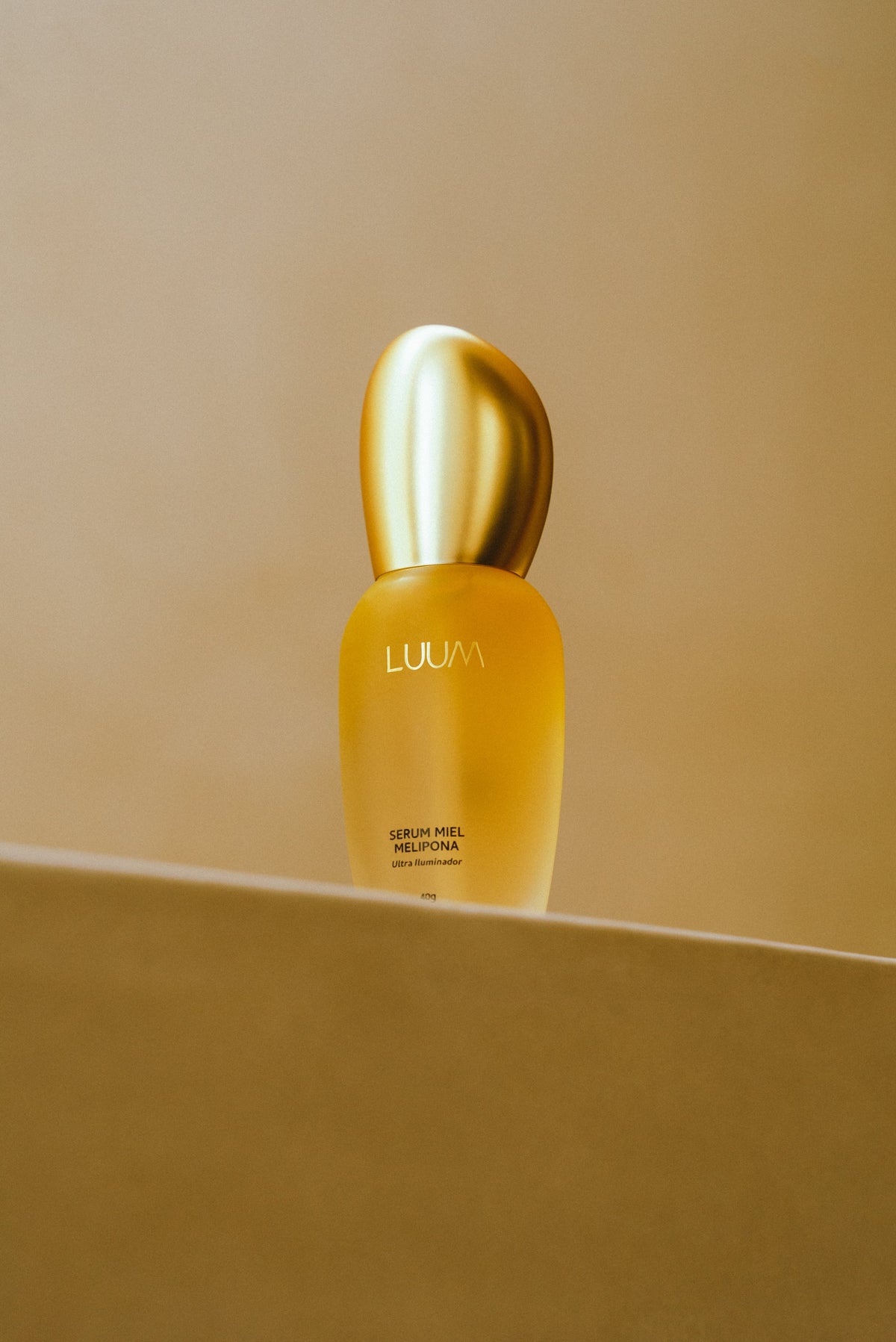
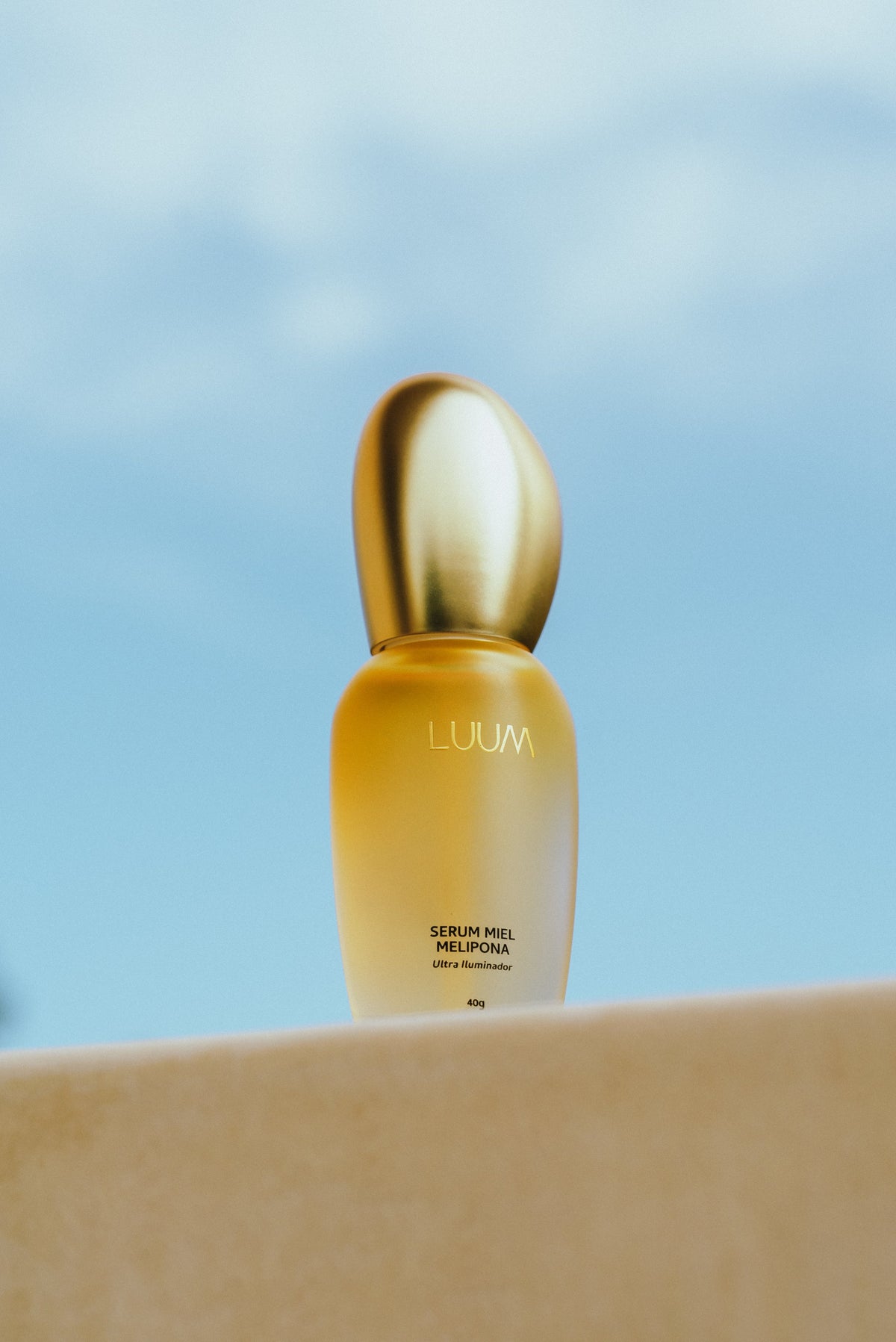
A ten-step routine you abandon after two weeks does less for your skin than two steps you repeat every day. That is why we created the Melipona Ritual: the Illuminating & Anti-Aging Serum hydrates and adds radiance; the Nourishing & Revitalizing Cream nourishes and seals. It takes a couple of minutes.
Habits that show
- Get enough sleep.
- Drink water and eat a varied diet.
- Don't sleep in your makeup.
- Reapply sunscreen if you spend time outdoors.
When to see a professional
If you have spots that change, persistent breakouts or irritation, see a dermatologist. A cosmetic cares for healthy skin; it doesn't replace a diagnosis.
This article is editorial content from LUUM Skincare, for information only. LUUM is a cosmetic: it helps improve the appearance of the skin, and results vary from person to person. It does not replace a consultation with a health professional.