
LUUM Journal · Science & botany
The Melipona honey transforming Mexican cosmetics
From the wax pots of the Xunán Kab bee to a new generation of skincare from Mexico: what Melipona honey is, why it is so scarce and what science says about it.
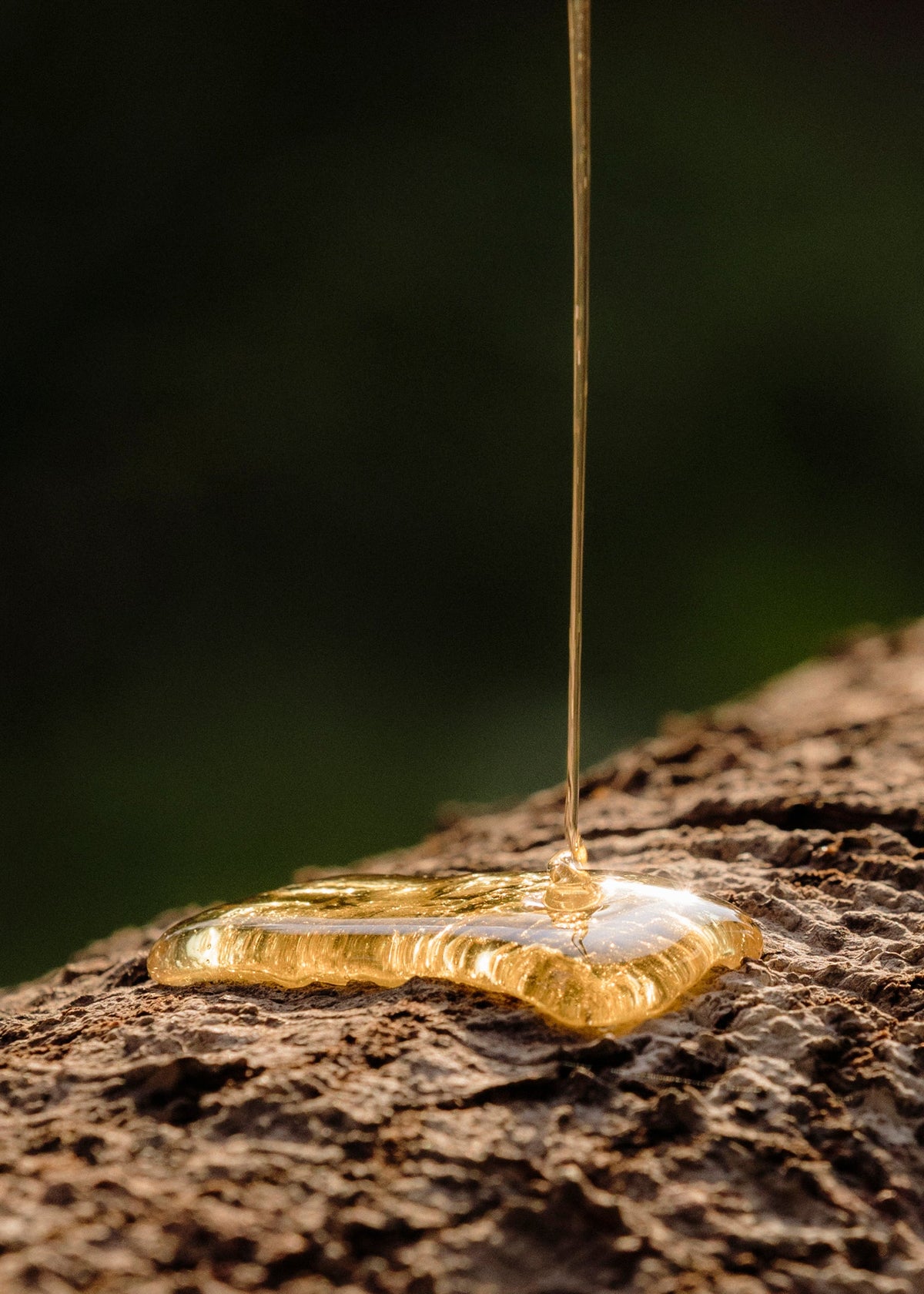
On the Yucatán Peninsula lives a bee that doesn't sting. It is small, discreet and has accompanied Maya communities for centuries. It is called Xunán Kab, and its honey, Melipona honey, has become one of the most interesting ingredients in contemporary Mexican cosmetics.
An origin that can't be copied
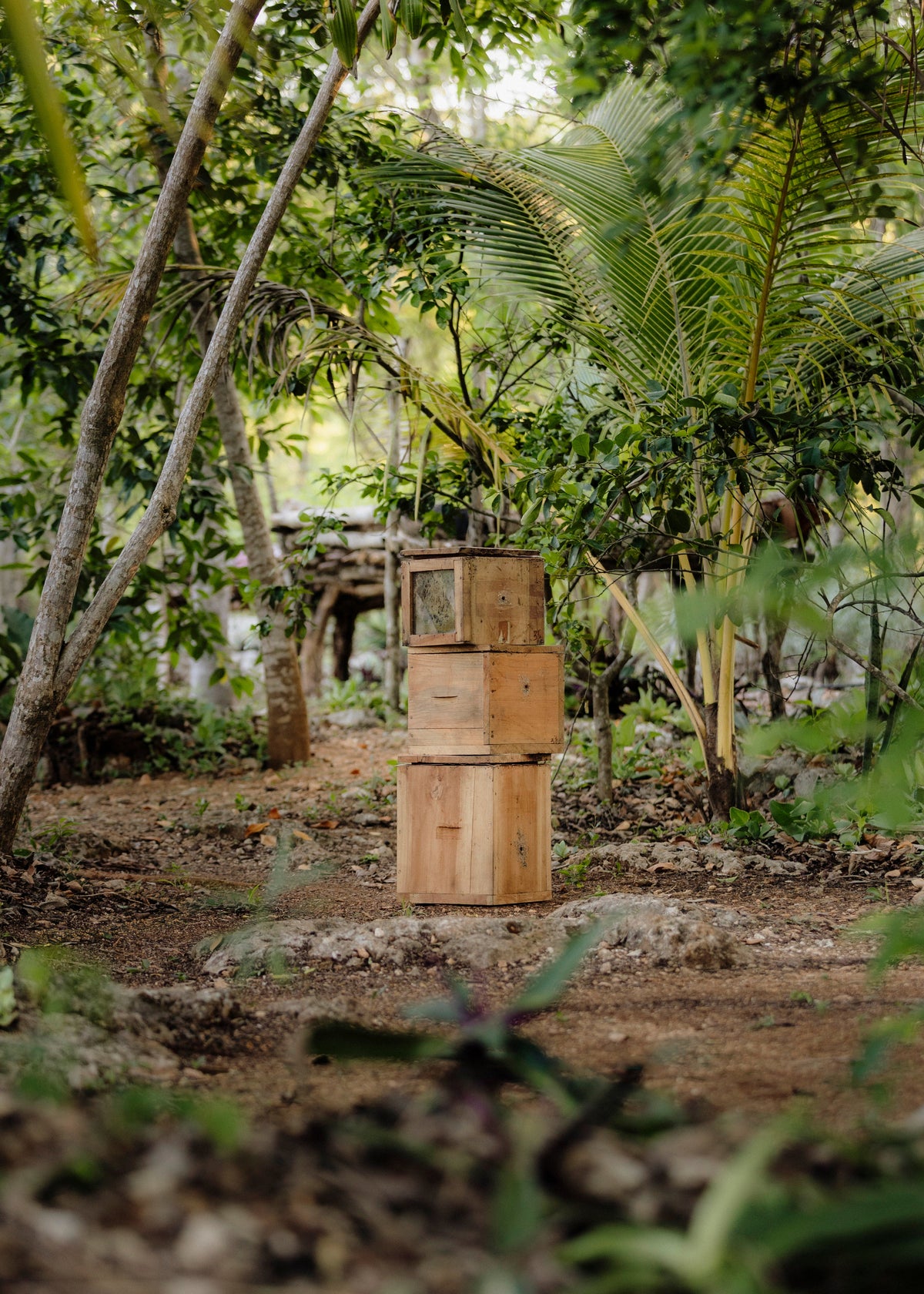
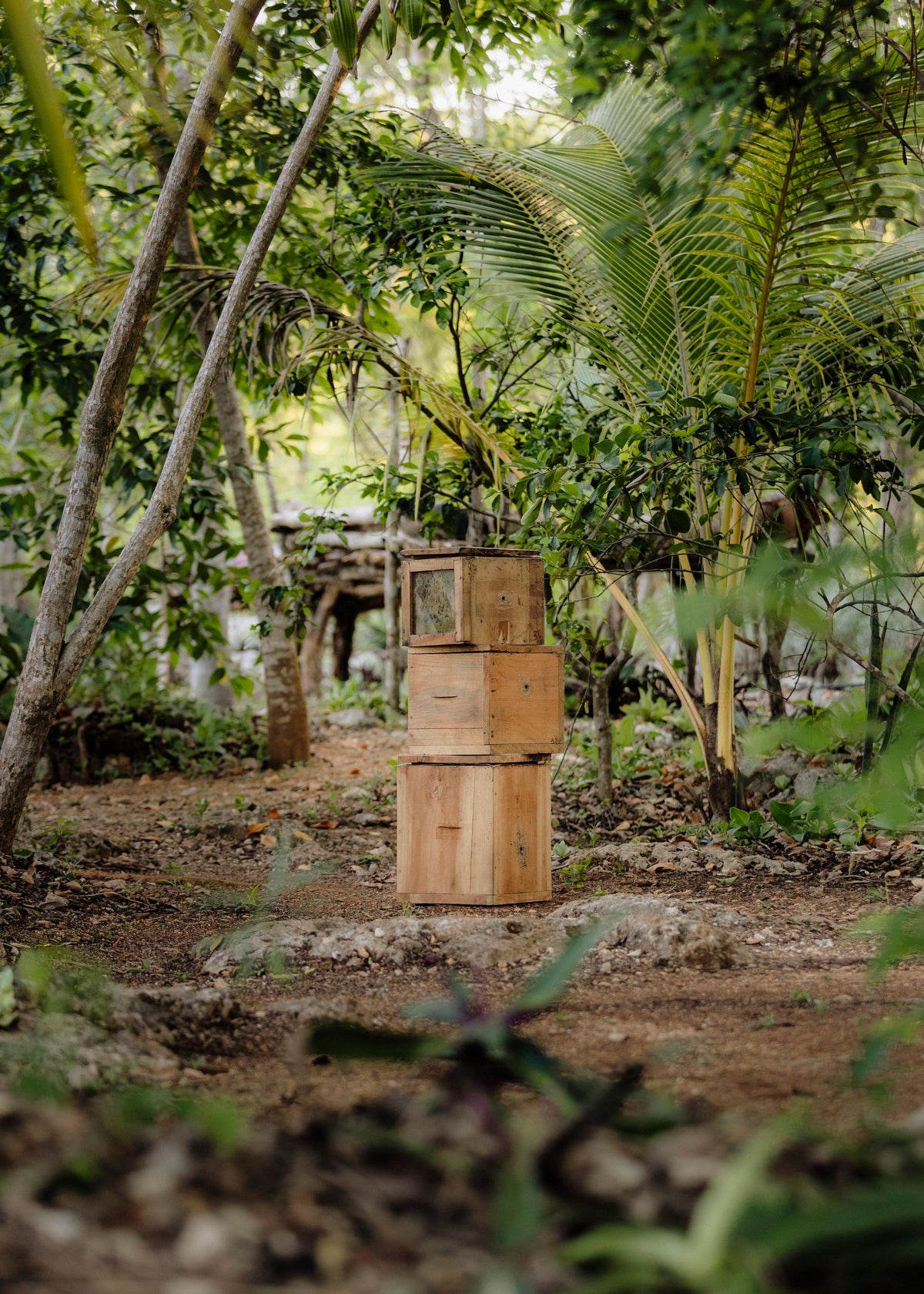
The Melipona beecheii bee is native to the region and belongs to the group of stingless bees. Unlike the European honeybee, it doesn't build hexagonal combs: it stores its honey in small pots of wax and resin inside hollow logs called jobones.
Meliponiculture, the keeping of these bees, is a Maya practice that dates back to pre-Hispanic times. It was passed down from generation to generation and today it is sustained by families and cooperatives in Yucatán, Campeche and Quintana Roo, often led by women.
Why it is so scarce
A Melipona colony produces around one liter of honey a year, far less than a European honeybee hive. On top of that, the loss of rainforest and the decline of the traditional practice have made these bees increasingly hard to find. Every liter has cultural and ecological value, as well as cosmetic value.
What science says
Melipona honey is different from ordinary honey: it usually has more moisture, a more acidic taste and a composition of its own. Laboratory studies of Melipona beecheii honey have identified phenolic compounds, flavonoids, enzymes and proteins, several of them studied for their antioxidant activity.
It is important to read this precisely: these are results on raw honey, in the laboratory. They help us understand why it is a promising ingredient, but they are not the same as a clinical result on the skin. At LUUM we always separate three things: what is known about the honey, what our extract does and what you notice with the finished product.
From honey to formula
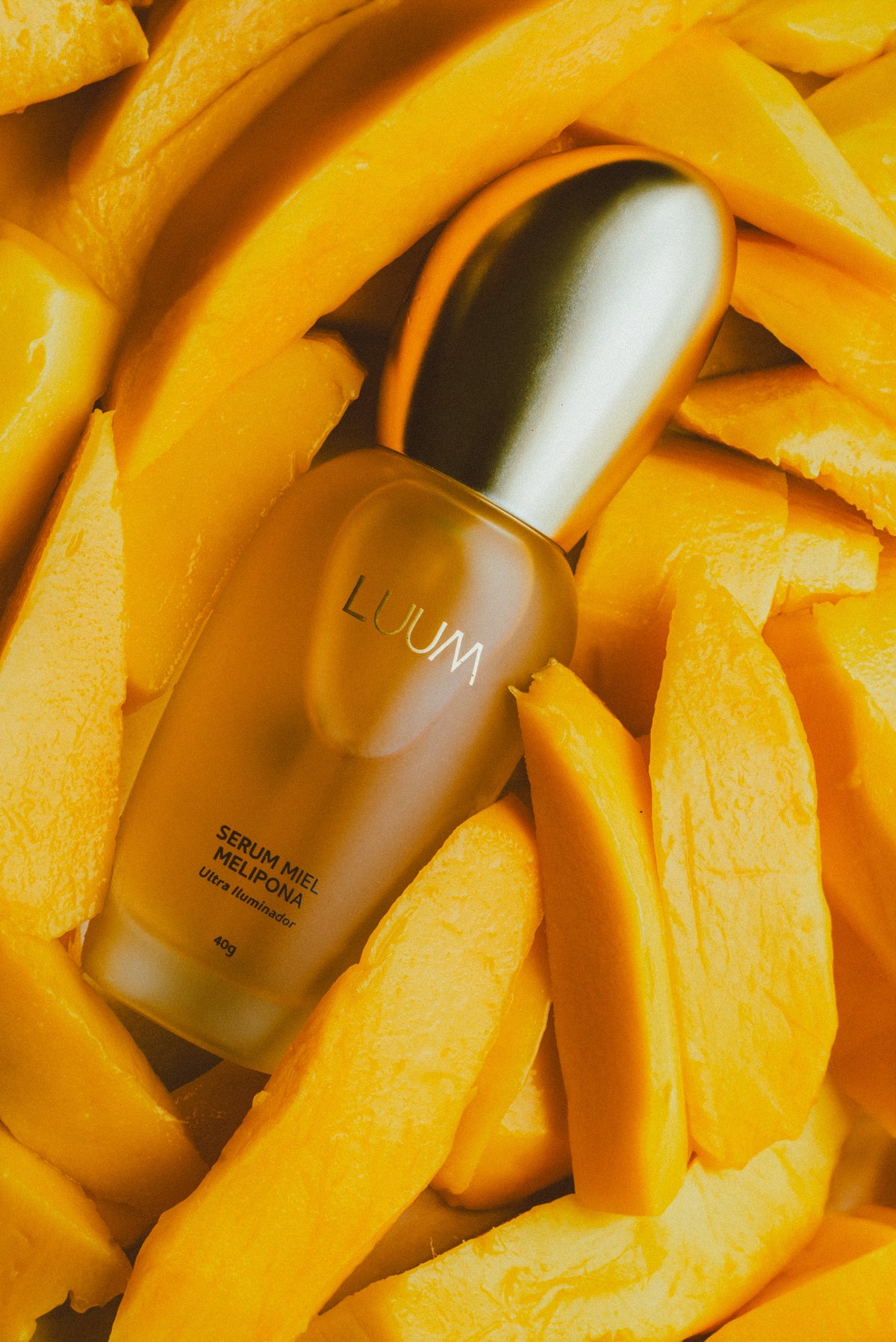
Our formulas don't put raw honey on the skin. They use a specialized Melipona honey extract with enzymatic components, developed for LUUM by our formulation partner, and combine it with skincare actives such as niacinamide, hyaluronic acid, squalene and vitamin E.
The next step is Bio-Melipona, our research program with MacroLab, the applied-science laboratory led by Dr. Lorenzo Martínez, LUUM's co-founder. Its goal is to study the proteins in Melipona honey and their potential for developing peptides for skincare.
A new Mexican cosmetics
For a long time, luxury in skincare was associated with ingredients from elsewhere. Melipona honey offers another perspective: an ingredient with a territory, a history and communities behind it, worked with the rigor of modern cosmetic science.
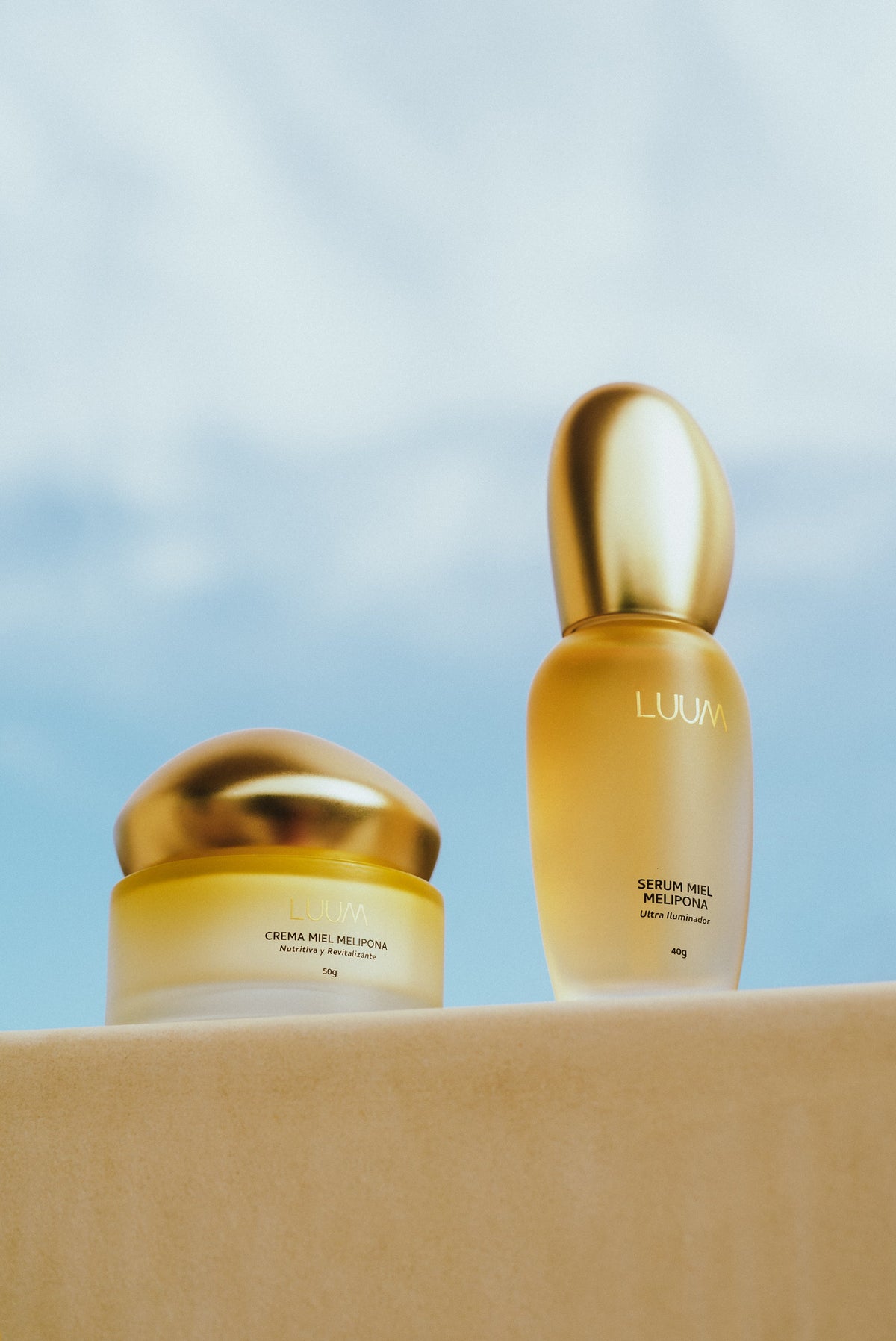
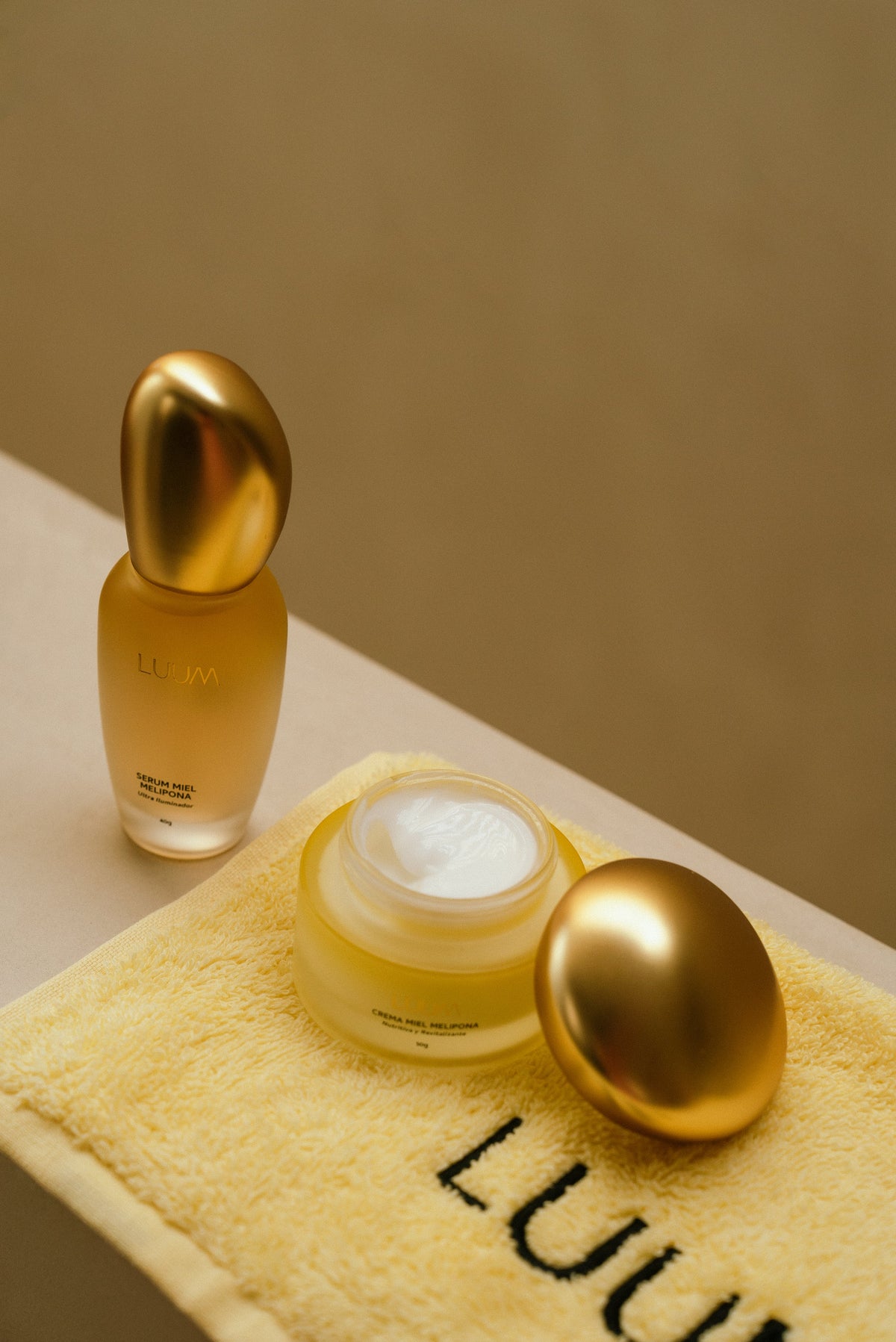
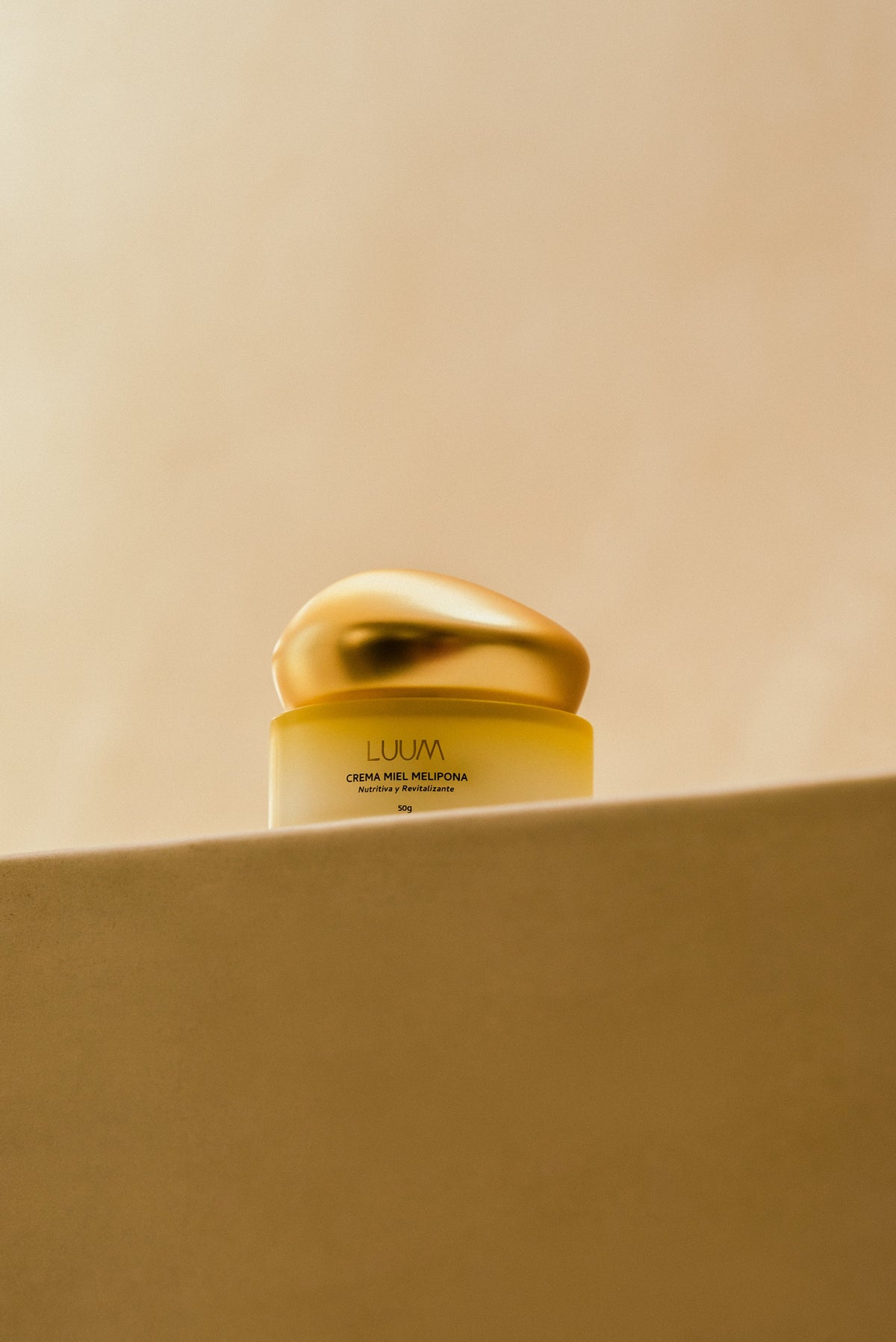
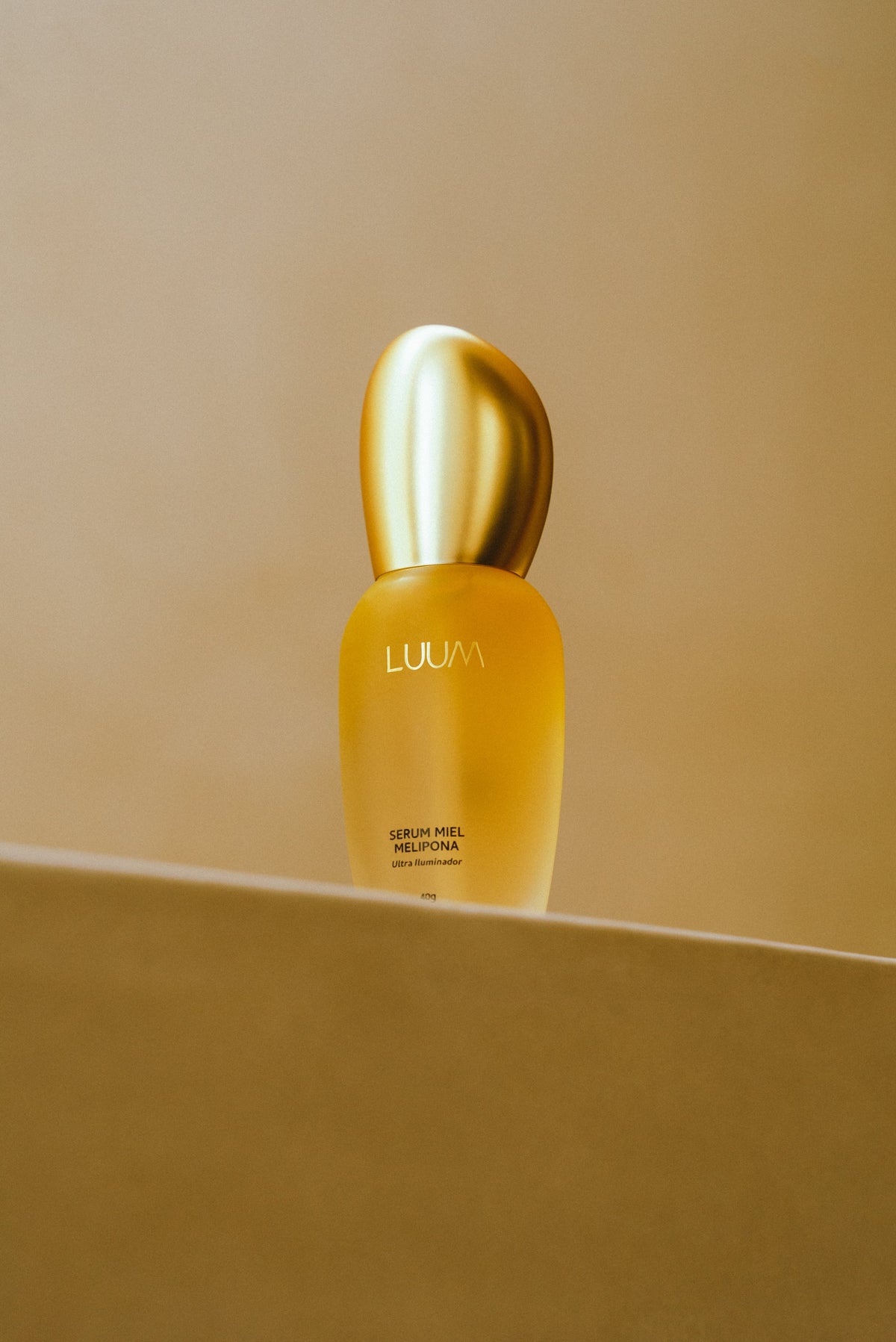
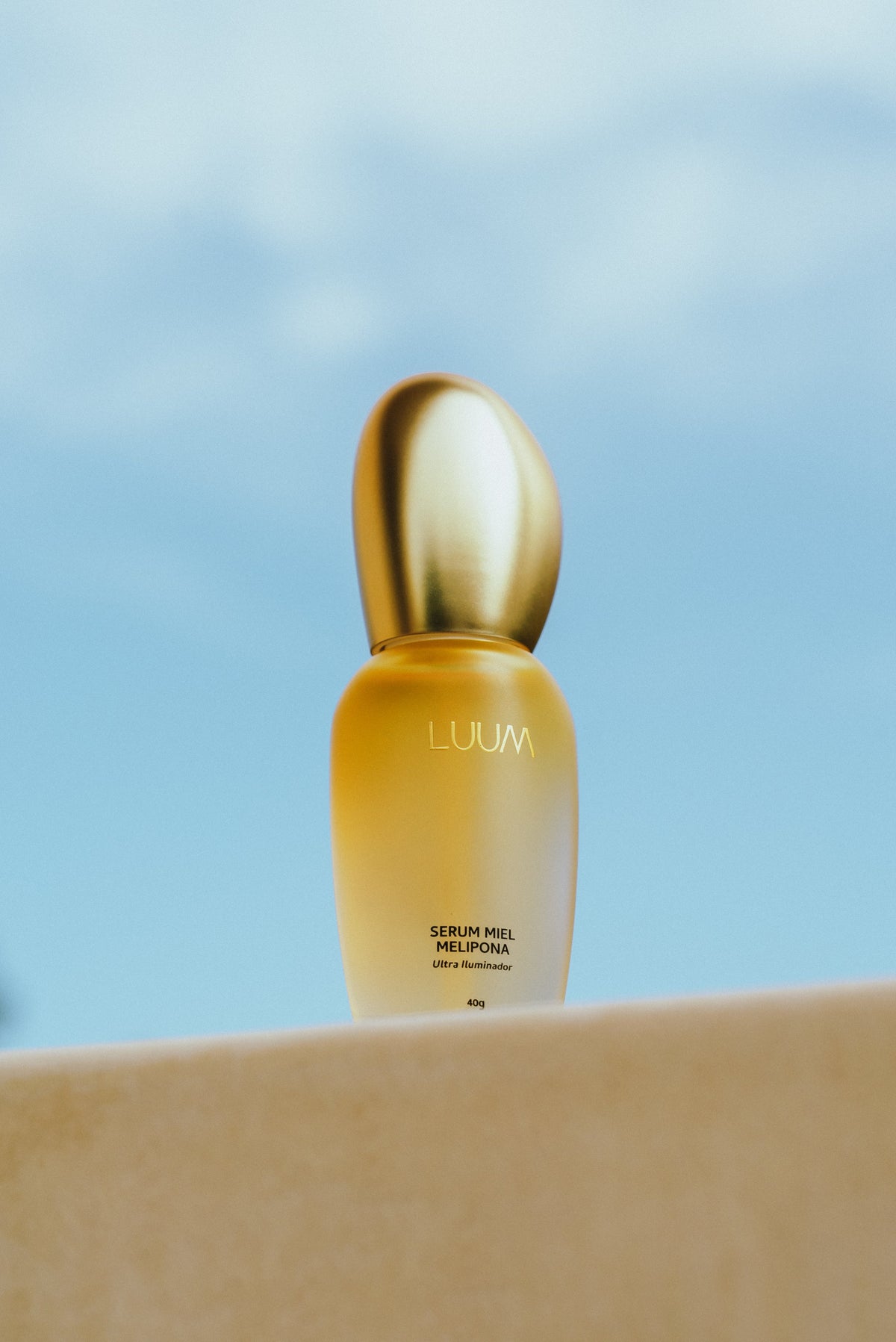
That is the idea behind the Melipona Ritual: a serum and a cream that bring the Maya rainforest into a two-step routine, morning and night.
To go deeper, read what Melipona honey is and its properties for the skin and why the Melipona bee matters to the Maya rainforest.
This article is editorial content from LUUM Skincare, for information only. LUUM is a cosmetic: it helps improve the appearance of the skin, and results vary from person to person. It does not replace a consultation with a health professional.