
LUUM Journal · Science & botany
Peptides and enzymes in skincare: what they do and what the science says
Two words that appear on many labels. What peptides and enzymes are, how they are used in cosmetics and what to expect from them.
Peptides and enzymes are two terms that show up more and more in skincare. Both come from the world of proteins, but they do different things. Understanding them helps you choose better.
What peptides are
A peptide is a short chain of amino acids, the same building blocks that make up proteins. In cosmetics, peptides are designed or selected to perform a specific function. They are usually grouped like this:
- Signal peptides: studied for their ability to “communicate” with skin cells and support the production of components such as collagen.
- Carrier peptides: help deliver minerals, such as copper, that take part in skin processes.
- Expression-relaxing peptides: studied for their effect on the appearance of expression lines.
What the evidence says about peptides
There are clinical studies on some specific peptides showing improvements in the appearance of fine lines and skin texture. The evidence varies a lot from one peptide to another, and it depends on the concentration, the formula and whether the peptide reaches the skin in a stable form. That is why “contains peptides,” on its own, says little.
What enzymes are
Enzymes are proteins that speed up chemical reactions. In cosmetics they mainly appear in two forms:
- Exfoliating enzymes, such as papain from papaya or bromelain from pineapple, which help loosen dead cells gently.
- Enzymes and extracts with antioxidant activity, added to support the skin against oxidative stress.
Enzymes are sensitive to heat, pH and time, so formulation and packaging matter a great deal.
Where Melipona honey comes in
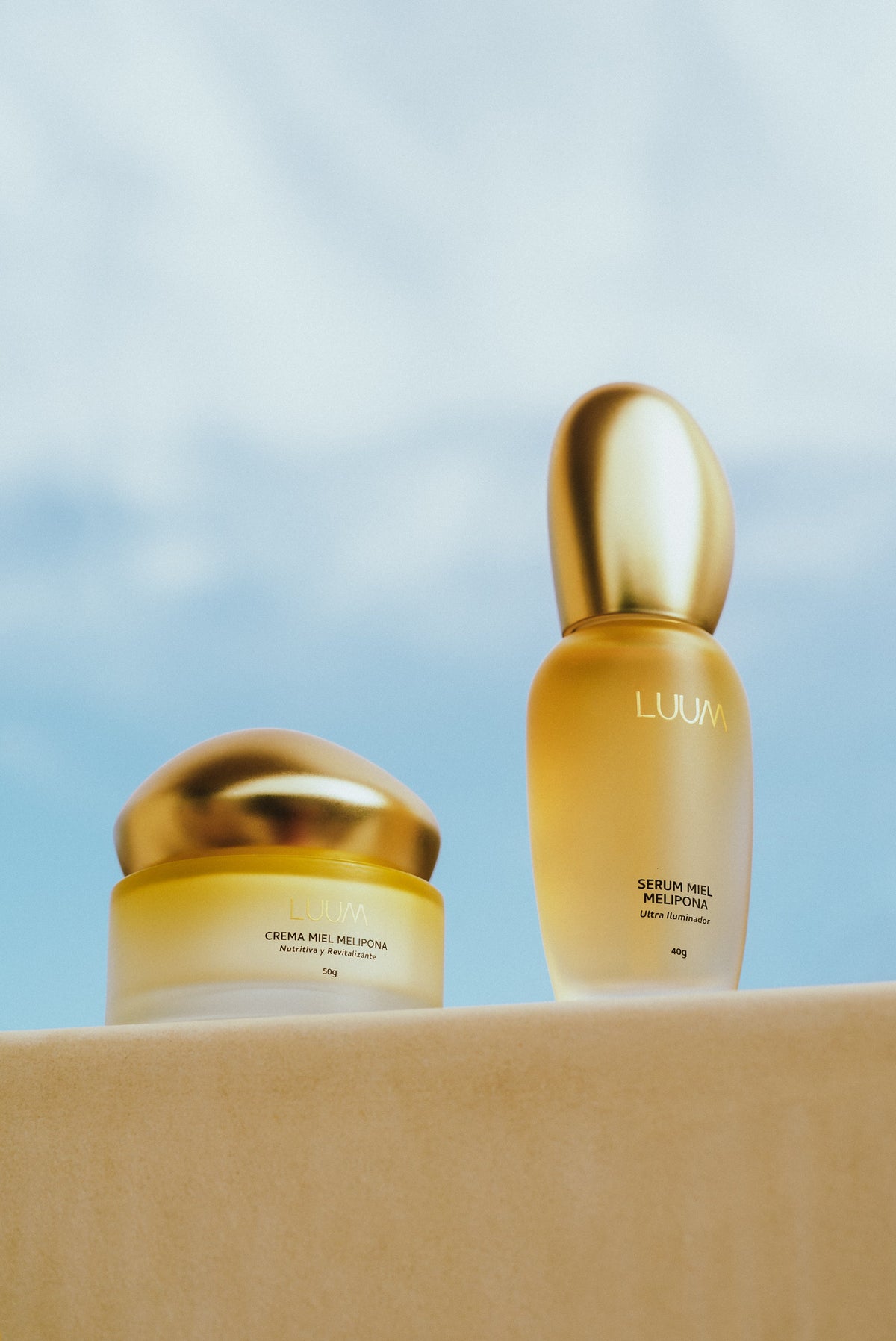
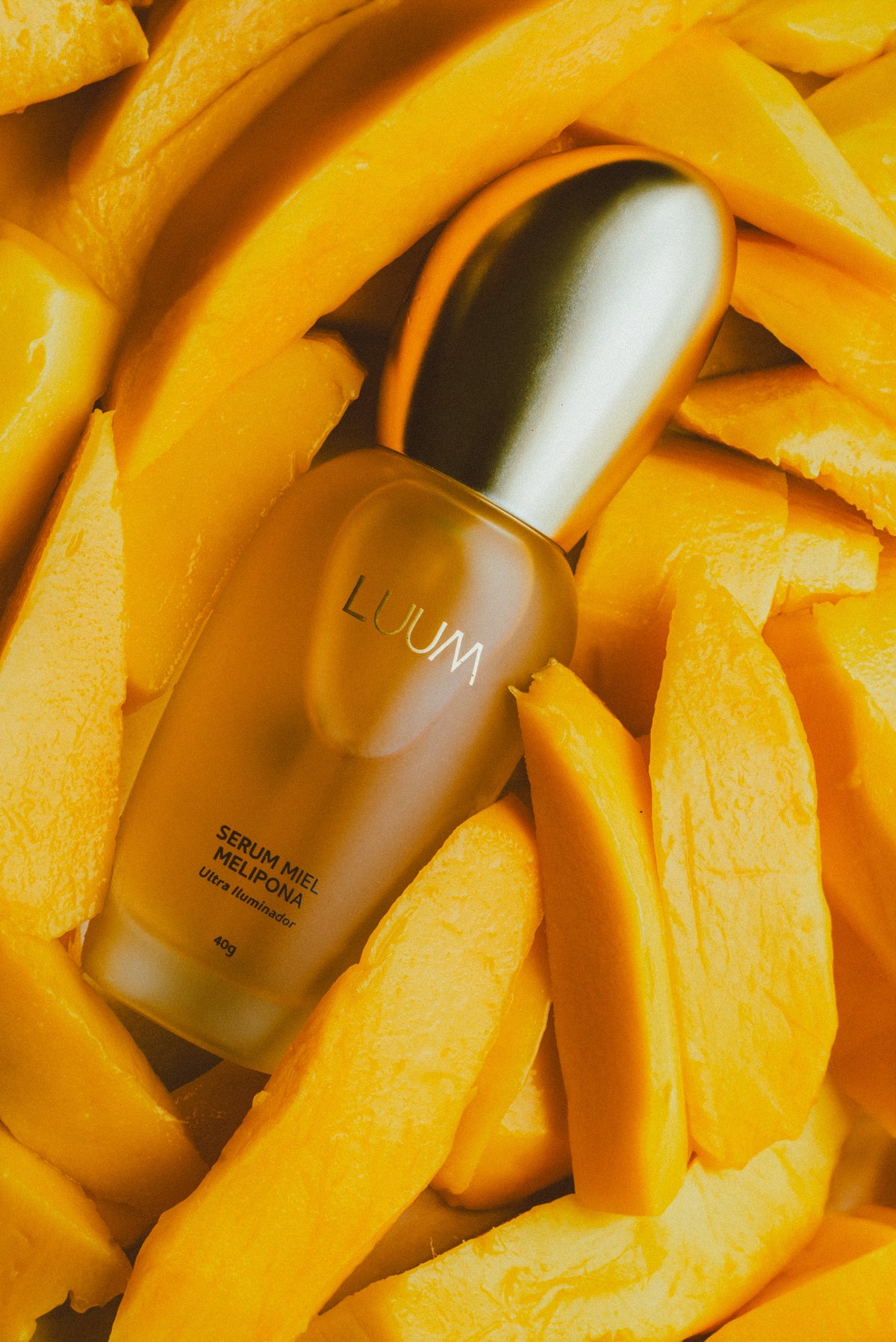
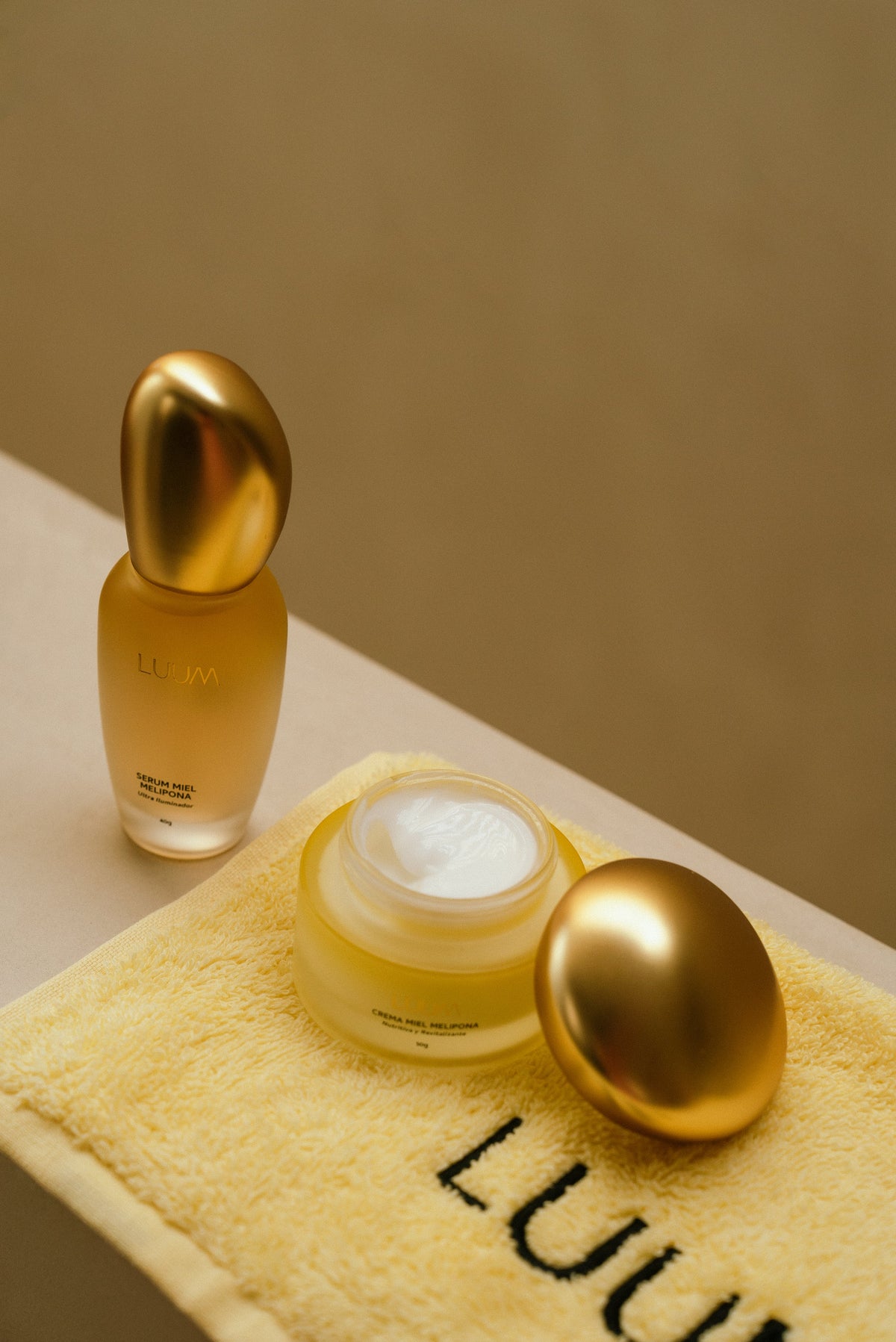
Melipona honey contains its own enzymes and proteins. Our formulas contain a Melipona honey extract with enzymatic components. And with Bio-Melipona, together with MacroLab, we are studying the proteins in this honey and their potential for developing peptides for skincare. It is research in progress: our products today do not promise the effect of a peptide.
How to read a label
- Look for which peptide or enzyme it is, not just the word.
- Be wary of promises of results “like a treatment”: a cosmetic improves appearance; it doesn't replace a medical procedure.
- Consistency and sunscreen are still what change results the most.
This article is editorial content from LUUM Skincare, for information only. LUUM is a cosmetic: it helps improve the appearance of the skin, and results vary from person to person. It does not replace a consultation with a health professional.